
I’ll never forget the time my son came home from a game and I asked, “How many points did you guys get?” He looked at me with a small smile and said, “We got 10—Mom, they’re called runs. Don’t ever say points again.”
He was joking, but as a new baseball mom, I felt so lost trying to keep up with the lingo, and I really wanted to understand what was happening on the field. It felt overwhelming, especially when other parents seemed to know everything.
If you’re anything like I was, you’re probably trying to figure out what’s going on during a baseball game and why certain plays are called the way they are. You want to support your child, enjoy the game, and maybe even chat confidently with the other parents in the stands. But all the baseball terms being thrown around can feel like a foreign language.
This post is here to help. We’re going to break down all the most commonly used terms in baseball so you can follow the action with ease. By the end, you’ll feel more confident understanding the game and talking about it like a pro. Let’s make baseball fun and less confusing—one term at a time.
Baseball Basics Every New Mom Should Know

Watching your child play baseball is exciting, but if you're new to the sport, it can feel a little overwhelming. Understanding the basics will help you follow the game, cheer at the right moments, and talk confidently with other parents. Let’s break it down.
How a Baseball Game Works
A baseball game is played between two teams. Each team has nine players on the field at a time. The game is divided into innings, with each team taking turns playing offense and defense. A full game usually lasts nine innings, though some leagues play shorter games.
The offensive team is the one that’s batting. Their goal is to hit the ball, get on base, and score runs. The defensive team is in the field, trying to get three outs and prevent the other team from scoring.
Each inning has two halves. In the top half, the visiting team bats while the home team plays defense. In the bottom half, they switch. The team with the most runs at the end of the game wins.
Understanding the Playing Field
A baseball field is called the diamond or field of play and is divided into different areas. The infield includes bases, the pitcher’s mound, and home plate. The outfield extends past the bases and is where outfielders play.
The playing field also has fair territory and foul territory. If a ball lands in fair territory, it's in play. If it lands in foul territory, it's a foul ball. The offensive team wants to keep the ball in fair territory to get on base.
Different Leagues in Baseball
Baseball is played at many levels, from youth leagues to professional teams. At the highest level, there’s Major League Baseball (MLB), which is divided into the National League and the American League.
Most kids start in recreational leagues before moving up to more competitive levels. Whether your child dreams of playing in the major leagues or just loves the game, understanding these basics will help you follow along and enjoy every moment.
The Baseball Field: Key Areas to Know

The baseball field, also called the field of play, is divided into different areas. Understanding these key locations will help you follow the game more easily.
Infield vs. Outfield
- Infield: The area inside the base paths, including the bases, pitcher’s mound, and home plate.
- Outfield: The grassy area beyond the infield that extends to the outfield fence.
Fair Territory vs. Foul Territory
- Fair Territory: The part of the field where the ball is in play. If a ball lands here, the offensive player has a chance to become a base runner.
- Foul Territory: The area outside the foul lines. If a ball lands here, it is out of play unless caught by the fielding team for an out.
Key Field Locations
- Pitcher’s Mound: The raised area in the center of the infield where the pitcher stands to throw the ball.
- Home Plate: The five-sided plate where the batter stands and where the home plate umpire makes calls on balls and strikes.
- Batter’s Box: The designated area on either side of home plate where the batter stands while waiting for the pitched ball.
- Bases (First, Second, Third): The bases form a diamond shape that players must round to score.
- Dugouts: The enclosed benches where players sit when they are not on the field. Each team has its own dugout along the first and third base sides.
Baseball Players and Their Roles Explained
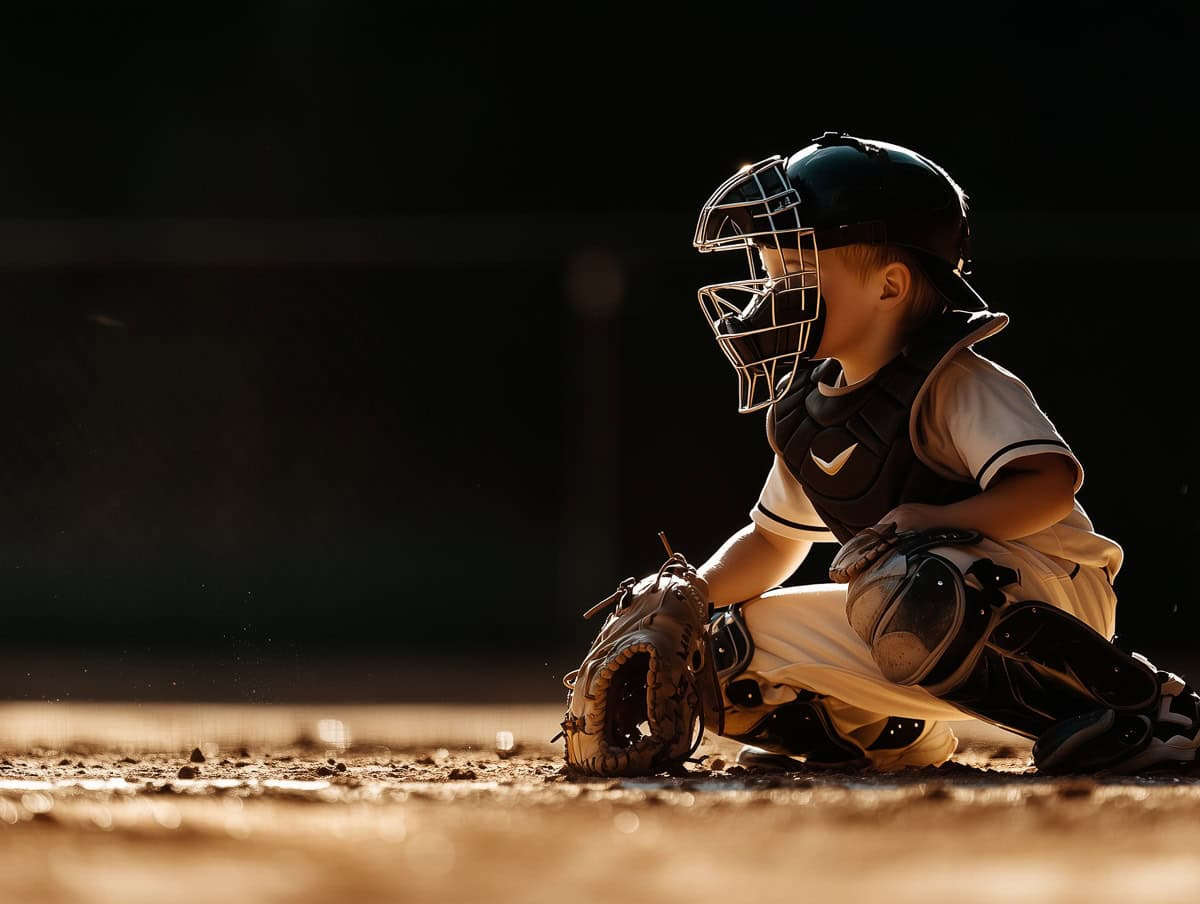
Every player on a baseball team has a specific role that helps the team work together seamlessly. Let’s break down each position, so you know who’s doing what on the field and why it matters.
Pitchers and Catchers
- Starting Pitcher: This player begins the game on the mound. Their goal is to throw strikes, keep batters off base, and pitch as many innings as possible. They are often considered one of the most important players on the team.
- Relief Pitcher: Also called the Reliever. When the starting pitcher tires or the situation calls for a fresh arm, the relief pitcher comes in. Some relief pitchers are closers, specializing in finishing tight games.
- Catcher: Positioned behind home plate, the catcher is the pitcher’s partner. They catch every pitch, call plays, and protect home plate. Catchers are also responsible for throwing out runners attempting to steal bases.
Infielders
- First Baseman: Positioned near first base, this player catches throws from other infielders to get runners out. They also cover first base during plays and need quick reflexes.
- Second Baseman: This player covers the area between first and second base. They work closely with the shortstop on plays like double plays.
- Shortstop: Positioned between second and third base, the shortstop fields ground balls and throws to bases to make outs. They often have one of the busiest roles in the infield.
- Third Baseman: Known as the "hot corner," this player handles balls hit hard down the third baseline. They must have quick reactions and strong throws to first base.
Outfielders
- Right Fielder: Positioned in right field, this player covers balls hit to the far-right side of the outfield. They often have strong arms for long throws.
- Center Fielder: The center fielder covers the most ground in the outfield and often takes charge of fly balls hit deep into the field.
- Left Fielder: Positioned in left field, this player handles balls hit to the far-left side of the outfield. They back up plays in the infield when needed.
Batters and Substitutes
- Designated Hitter: Used in leagues like the American League, this player bats in place of the pitcher. They focus solely on hitting and don’t play a defensive role.
- Pinch Hitter: A substitute batter brought in during key moments, often chosen for their ability to face a specific pitcher or situation.
- Pinch Runner: A substitute runner who replaces another player on the basepaths. They are typically fast and used to steal bases or score from far bases.
Special Skills and Variations
- Left-Handed Pitchers and Batters: These players can create unique challenges for opponents, as left-handed players often face fewer same-handed matchups.
- Utility Players: Some players can play multiple positions, making them valuable for filling gaps in the lineup when needed.
By understanding the roles of each player, you’ll see how every position is vital to the team’s success. Whether it’s a pitcher throwing strikes, a shortstop making a diving catch, or a pinch runner scoring the winning run, each role contributes to the excitement and strategy of the game.
Pay attention to how players move and work together. A left-handed pitcher may have an advantage against certain batters, while a center fielder often takes charge of plays in the outfield. Knowing these roles makes it easier to follow the game and cheer for great plays.
By understanding the layout of the field and each player’s role, you’ll feel more confident keeping up with the action. Baseball is all about teamwork, and now you can see how every part of the field comes together for an exciting game.
Related: Easy And Healthy Baseball Snack Ideas
Key Gameplay Terms Every Baseball Mom Should Know

When watching a baseball game, you’ll hear a lot of different terms. Understanding these key phrases will help you follow the action, anticipate big plays, and talk about the game with confidence.
The Basics of Hits and Pitches
- Batted Ball – Any ball hit by the batter, whether fair or foul.
- Ground Ball – A hit ball that rolls or bounces along the ground.
- Line Drive – A hard-hit ball that travels straight and fast through the air.
- Fly Ball – A ball hit high into the air, giving fielders a chance to catch it before it lands.
- Foul Ball – A ball that lands outside the foul lines, meaning it’s out of play unless caught for an out.
- Strike Zone – The imaginary area over home plate where a pitched ball must pass to be called a strike.
- Strike – A pitch in the strike zone that the batter does not swing at or swings at and misses.
- Ball – A pitch that is outside the strike zone and not swung at by the batter. Four balls result in a walk.
- Walk (Base on Balls) – When a batter receives four balls, they automatically advance to first base.
- Intentional Walk – A strategic walk where the pitcher deliberately throws four balls to put the batter on base.
When the Pitch Doesn’t Go as Planned
- Wild Pitch – A pitch thrown so off-target that the catcher cannot stop it, often allowing runners to advance.
- Passed Ball – A pitch that should have been caught by the catcher but is missed, allowing runners to move up.
- Balk – When a pitcher makes an illegal motion before throwing the ball, allowing base runners to advance.
Offense: How the Offensive Team Scores Runs
- Plate Appearance – Each time a batter comes up to bat, whether they get on base or not.
- Batting Order – The set order in which players bat during a game.
- Batting Average – A stat that shows how often a player gets a hit compared to their at-bats.
- Sweet Spot – The ideal part of the bat to make contact with the ball for the best result.
- Sacrifice Bunt – When a batter bunts the ball to move a runner ahead, even if they get out.
- Fielder’s Choice – When the defense gets an out, allowing another runner to advance.
- Stolen Base – When a base runner advances to the next base before the pitcher or catcher can throw them out.
- Extra-Base Hit – A hit that allows the batter to reach at least second base (double, triple, or home run).
- Home Run Hit – A hit that sends the ball over the outfield fence, allowing the batter to score.
- Grand Slam – A home run hit when the bases are loaded, scoring four runs.
- RBI (Runs Batted In) – The number of runs a batter helps score by getting a hit, walk, or sacrifice play.
- Walk-Off Home Run – A home run that ends the game immediately, usually in the final inning when the home team is batting.
Defense: How the Defensive Team Keeps the Game in Check
- Double Play – When the defense records two outs in one continuous play.
- Triple Play – A rare defensive play where three outs happen in one play.
- Infield Fly Rule – A rule that prevents the defense from taking advantage of an easy pop-up when runners are on base.
- Defending Team – The team playing defense, trying to prevent runs.
- Official Scorer – The person responsible for recording all plays, hits, errors, and other stats during a game.
Understanding the Game’s Flow: Key Moments and Terms

Baseball is a game of strategy and patience. Knowing how the game progresses and recognizing specific situations makes it easier to follow along. Let’s explore some common game scenarios and terms that keep the action moving.
Game Scenarios Every Mom Should Know
Sometimes, a baseball game doesn’t end after the usual nine innings. When the score is tied, the teams play extra innings to determine a winner. Each team gets another chance to bat and score until one team pulls ahead. This can make games longer, but it’s also when some of the most exciting moments happen.
A double header is when two games are played back-to-back. These are common in leagues where weather delays or scheduling require teams to make up games. If your child’s team is playing a double header, pack extra snacks and drinks because it’s a long day!
You might also hear the term dead ball during a game. This refers to a situation where the ball is no longer in play. It could happen because of a foul ball, an interference call, or when the umpire stops play. When the game resumes, the next pitch brings everything back to action.
Keeping Track of Pitches
One important number to watch during a game is the pitch count, which tracks how many pitches the pitcher has thrown. Coaches often use this number to decide when to replace a pitcher, especially if their arm is getting tired.
Another term you might hear is the Mendoza Line. This refers to a low batting average, typically around .200, and is used to describe players who are struggling to hit. It’s a way to measure performance and set goals for improvement.
Levels of Play and Leagues: Understanding How Baseball is Organized

Baseball is played at many levels, from local youth leagues to professional teams in the major leagues. Knowing the differences between these leagues helps you understand where your child’s team fits in and what to expect as they progress.
Major Leagues vs. Minor Leagues
At the highest level, Major League Baseball (MLB) is where the best players compete. MLB is divided into two leagues—the National League and the American League. These leagues include the most well-known teams, and their games set the standard for professional baseball.
Below the major leagues, you’ll find the minor leagues. These teams develop younger players and provide a pathway to the big leagues. Minor league teams are classified into different levels based on skill, ranging from Rookie Ball to Triple-A. Many professional players spend time in the minor leagues before making it to the majors.
Understanding Team Roles in a Game
Each baseball game features two teams—the home team and the visiting team. The home team plays in their own stadium and bats second in each inning, giving them the last opportunity to score. The visiting team plays on the road and bats first.
The opposing team is simply the team your child’s team is competing against. Whether at home or away, the goal remains the same—score more runs and win the game.
Putting It All Together: How to Use Your Baseball Knowledge

Now that you understand the basics of baseball terms, it’s time to put that knowledge to use. The more you watch and listen, the easier it becomes to follow the game and talk about it with confidence. Here are some simple ways to practice your new vocabulary and enjoy the game even more.
Practice Baseball Terms in Real Games
The best way to get comfortable with baseball language is by watching real games. Whether it’s your child’s baseball game at a local field or a televised Major League Baseball matchup, you’ll start to recognize the terms you’ve learned.
- Pay attention to when the announcers or coaches use words like next base, strike zone, or relief pitcher.
- Listen to other parents in the stands. You’ll hear common phrases and start to pick up the rhythm of the game.
- Try saying the terms out loud during a game. For example, if a batter hits the ball into the air, you can say, “That’s a fly ball!”
Follow Games at Different Levels
Watching different levels of play helps reinforce everything you’ve learned.
- Local schools: High school and college games are great for seeing how the game works in real time without the high speed of pro play.
- Little League and travel teams: These games give you the chance to see your child use the same skills and terms you’ve learned.
- Major League Baseball: Watching MLB games on TV or in person lets you hear professional announcers use baseball terms, making it easier to understand the strategy and rules.
Conclusion: Enjoy the Game with Confidence
Understanding baseball terms makes watching a game so much more enjoyable. Instead of feeling lost, you’ll recognize key plays, know what’s happening on the field, and even be able to talk about the game with confidence. Whether it's spotting the sweet spot on a bat, recognizing the best starting pitcher, or celebrating an almost perfect game, you now have the knowledge to follow along like a seasoned fan.
It takes a short time to pick up these terms, but the more you watch and listen, the easier it becomes. The next time you're at a game, test out what you've learned. Pay attention to the calls, listen to the announcers, and see how the players work together.
I’d love to hear from you! What baseball terms have you learned that helped you understand the game better? Do you have a favorite term that makes you feel like part of the action? Drop a comment and share your experience!