
As a baseball mom who's spent countless hours cheering from the bleachers, I've seen my fair share of 'Daddy Ball' in action. From T-ball to travel teams, I've watched many dads step up to the plate as coaches, bringing a mix of enthusiasm and, sometimes, a hint of favoritism.

It's a common scenario in youth sports, and if you're like me, you've probably felt a twinge of frustration seeing some kids, including the coach's own, getting more time on the field than, perhaps more talented, but less connected players.
In this post, we're diving into the world of 'Daddy Ball' in youth baseball. It's a topic that's as complex as it is common, and it touches the heart of many parents who just want a fair game for their kids. We'll explore what 'Daddy Ball' means, how it affects our children, and most importantly, how we can address it. Whether you're a seasoned baseball parent or new to the game, this post aims to shed light on this often unspoken aspect of youth sports.
You'll learn about the dynamics of 'Daddy Ball', from its impact on team morale to the development of young players. We'll also discuss practical strategies to ensure that every child, including yours, gets a fair chance to shine on the field. This post is all about understanding, addressing, and moving beyond 'Daddy Ball' to create a more positive and equitable environment for all our young athletes.
This post is all about Daddy Ball is baseball!
What Is Daddy Ball?
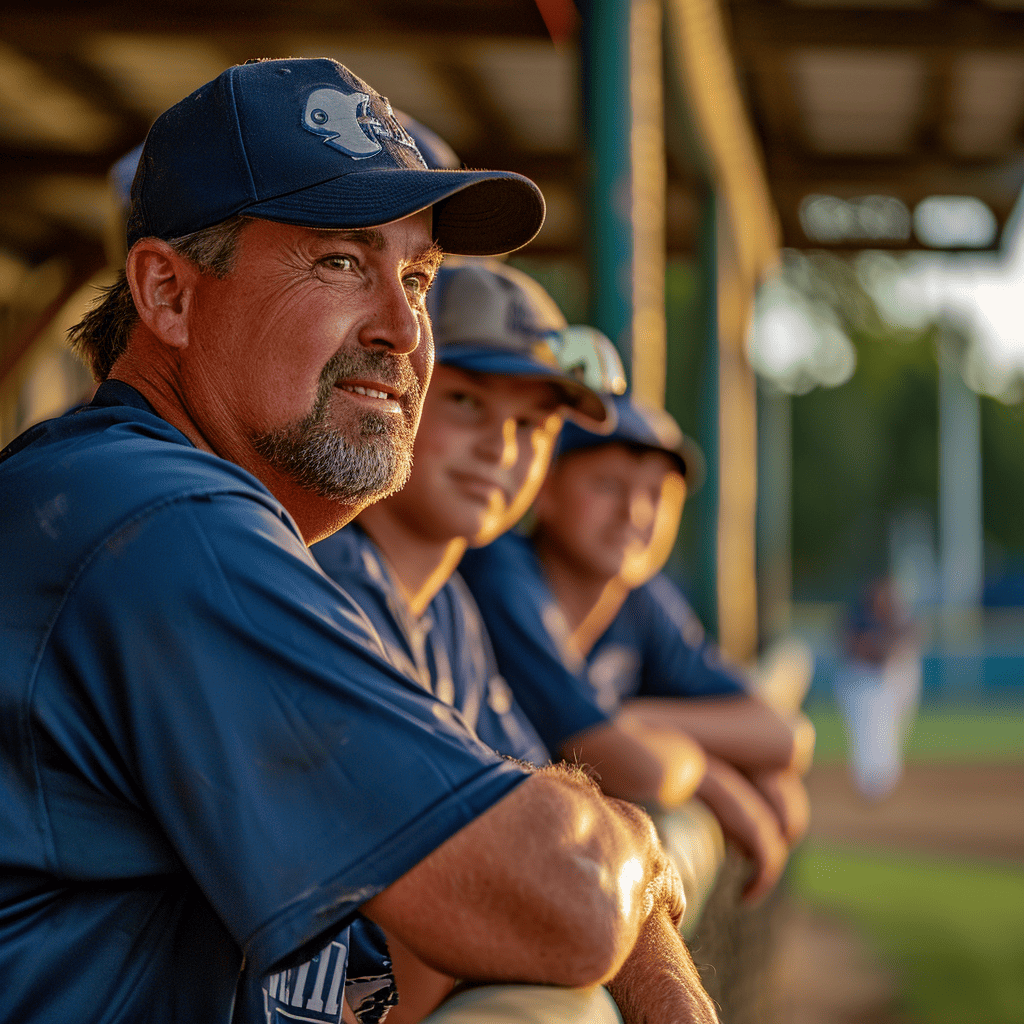
"Daddy Ball" is something we often see in youth baseball, and it's a bit of a tricky topic. It happens when a coach, usually a dad, is coaching his own child on the team. This in itself isn't a problem, but it becomes one when the coach starts giving their own kid special treatment.
It can reveal itself with the coach’s child getting extra playing time. Or, sometimes, these daddy ball coaches might put their own kids in the star positions, like having them play shortstop or bat first in the lineup, regardless of their actual abilities or the needs of the team. This can be really frustrating for other kids who work hard and show talent but don't get the same opportunities.
This favoritism can really affect the whole team. When one kid, the coach's kid, is always in the spotlight, it can make the other players feel less important. They might be working super hard, but if they're not getting a fair chance to show their skills, it's disheartening. It's not just about who gets to play shortstop or who's batting first; it's about giving every kid a chance to be part of the game.
And it's not just the kids who feel it. As parents, we see how this can create tension and frustration. When a parent coach favors their own child, it can make the other parents and kids feel like the team isn't really a team, but more like a showcase for the coach's kid. It can lead to negative feelings and sometimes even conflicts among parents and players.
However, it is essential to recognize that Daddy Ball can be subjective, and there may be instances where it is misinterpreted or unfairly attributed to a coach. Remember, most dads choose to coach the team as a fun way for them to be involved in their son's life.
In the end, youth baseball should be about fun, learning, and teamwork for all the players, not just a few. Addressing 'Daddy Ball' means making sure every kid, including the coach's son or daughter, is treated equally and gets their fair share of playing time and opportunities.
Daddy Ball In Little League and Youth Baseball

In the world of younger baseball teams, 'Daddy Ball' is something we come across pretty often. At this level, many of the coaches are dads who volunteer their time to teach our kids the game. It's important to remember that these dads are giving up their free time to help out, and that's something to appreciate.
At this young age, the focus really should be on having fun and learning the basics of the sport. Sure, it's great to win, but it's more about the kids getting out there, playing the game, and enjoying themselves. And let's face it, none of these little players are heading off to the MLB just yet. So, getting too worked up over 'Daddy Ball' at this stage might not be worth the stress.
Also, Little League and similar youth leagues usually have rules in place to ensure every child gets a chance to play. These rules help make sure that even if a coach tends to favor their own kid, other children won't be left out completely. Every kid gets their turn to bat, field, and be part of the team, which is really what it's all about at this age.
As parents, it's good to keep in mind that these early years in sports are more about building a love for the game, learning teamwork, and just having a good time. The coaches, especially those volunteering dads, play a big part in making this happen. They're not just coaching; they're helping create positive memories for our kids.
So, while 'Daddy Ball' can be a bit frustrating, at the younger levels, it's helpful to remember the bigger picture. It's all about the kids having fun, playing with their friends, and learning some valuable life lessons along the way. And for that, we can be thankful to all the volunteer coaches, dads included, who make it possible.
Daddy Ball Can Become An Issue During The Transition to Competitive Play

As our kids grow and move up to more competitive teams, like travel teams, there's a noticeable shift in the game's dynamics. This is where things start getting a bit more serious compared to the laid-back vibe of the younger leagues. The kids are older, the play is more competitive, and the stakes feel higher, especially as they start eyeing spots in high school teams.
In these travel teams, 'Daddy Ball' can become a more pressing issue. The focus shifts from just having fun to really honing skills and winning games. When a dad coach is still playing favorites, especially with their own child, it can create bigger problems. It's not just about getting a turn anymore; it's about who's starting the game, who's playing the key positions, and who's getting the most playing time. These decisions can really impact the whole team's performance and each player's development.
In this competitive environment, every play counts, and every player's contribution is crucial. So, when a coach favors their own kid, it can lead to frustration and disappointment not just among the kids, but also among us parents. We all want to see fair play and our kids getting the opportunities they deserve based on their skills and hard work, not just because of who their coach is.
This is the stage where the kids are really working hard to improve their game, and they're starting to think about playing in high school or even beyond. So, the coaching decisions can have a big impact on their sports journey. It's important for coaches, especially those who are parents, to recognize this shift and focus on what's best for the entire team, not just their own child.
As parents, it's crucial to keep an eye on this transition and be ready to advocate for fairness and equal opportunities for all players, including our own kids. It's all about ensuring that as the level of play gets more serious, the principles of fair play and sportsmanship remain at the forefront.
Daddy Ball Meaning: Favoritism vs Talent

When my son moved up to the more competitive baseball teams, I started noticing something interesting. More dads were joining the coaching staff, taking on roles as extra coaches and assistants. It's great to see parents getting involved, and many of these dads' kids were genuinely talented players. But, there was a bit of a snag with a couple of dads.
These few dads, once they got themselves into coaching positions, it seemed like their kids started getting more playing time. This is where the whole 'Daddy Ball' thing really started to stand out. It wasn't just about being a coach's kid anymore; it was about some kids getting preferential treatment over others, even if those others were just as talented, if not more.
This situation creates a real conflict. On one hand, you have these talented players who've been working hard and really showing their skills. On the other, you have kids who are getting more time on the field or better spots in the batting order, not necessarily because of their talent, but because their dad is a coach. It's tough to watch, especially when you know that all these kids, including yours, are trying their best and deserve a fair shot.
The problem with 'Daddy Ball' at this level is that it can really hinder fair play and the development of real talent. When a player gets a spot just because of who their parent is, it's not just unfair to the other kids; it's also not in the best interest of the team. The best player for a position should be the one playing it, regardless of who their dad is.
As a parent, it's hard to see your child being sidelined for reasons that have nothing to do with their ability. It's a delicate situation, but it's important to keep advocating for fairness and equal opportunities for all players. After all, at this competitive stage, it's about nurturing talent and sportsmanship, and every player deserves a chance to shine based on their own merits.
How Daddy Ball Can Impact Players and Team Dynamics
Another real issue with 'Daddy Ball' is that kids can miss out on significant opportunities. This happened to us and it was quite an eye-opener. Our team, which we had been with for years, had coaches who got wind of an opportunity for a different travel team. This wasn't just any team; they were set to travel to Arizona for high-level competition in front of college coaches – a big deal for any young player.
The problem was, no tryouts were announced for this elite team. It seemed like only the coaches' kids and a few others were selected, some of whom were obvious choices due to their skills, but others were, let's say, questionable. This was incredibly frustrating, especially for the boys who weren't in the loop. They had already committed to playing for the summer and had no idea that this second team was forming. They missed the chance to even try out for another travel team that could have taken them to Arizona.
The worst part was the coaches still allowed the other boys to stay on the roster of the original team. All summer, our boys worked hard and made it into the championship. As it turned out, the daddy’s ball kids returned from Arizona and the coaches decided to not only let them play in the championship but they benched the kids that had played all summer (and earned the championship) so that their sons could resume their positions.
It's situations like these where 'Daddy Ball' does more than just affect playing time or positions. It can lead to missed opportunities for kids who have the talent and drive but aren't in the inner circle. It's a tough pill to swallow, both for the kids and us parents, knowing that these chances don't come around often and seeing them slip away due to unfair selection processes
This situation can also breed negative comments and bad attitudes among the players. It's tough for kids to stay motivated and be good teammates when they see unfairness on the field. This kind of environment isn't just bad for team spirit; it also hampers the personal growth and development of each player.
In the end, a team thrives on unity and fairness, and 'Daddy Ball' can undermine both. It's crucial for the health of the team and the growth of the players that everyone feels valued and treated equally.
Parental Perspectives and Challenges
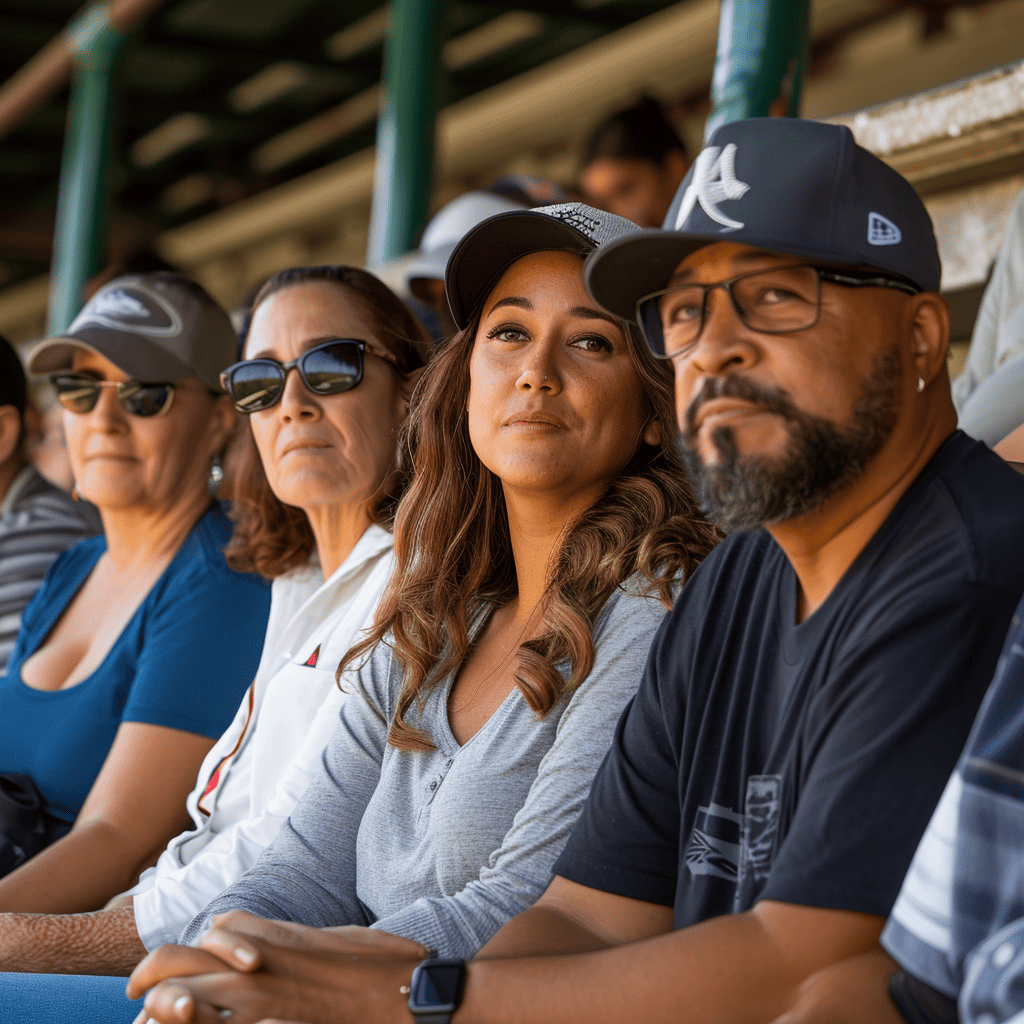
Understanding how other parents feel about 'Daddy Ball' opens up a whole different perspective. Many parents, just like us, love seeing their kids play and grow in sports. They invest time, money, and a lot of emotion into their children's sports experiences. So, when 'Daddy Ball' comes into play, it's not just the kids who are affected; the parents feel it too.
From the sidelines, we all watch eagerly, hoping our kids get a fair chance to show what they can do. When they don't, it's hard not to feel disappointed or even upset. Some parents might feel hesitant to speak up, worrying it could affect how their child is treated on the team. Others might voice their concerns, hoping for a change.
The thing is, every parent wants the best for their child. We all want to see our kids happy, thriving, and being treated fairly. When 'Daddy Ball' affects this, it's a challenge for us as parents. We're torn between supporting our kids, dealing with our own frustrations, and trying to maintain a good relationship with the coaches and other families.
It's a delicate balance, and every parent handles it differently. But at the end of the day, we're all in this because we love our kids and want to see them enjoy their sport. Understanding each other's viewpoints can help us support one another and work together to create a positive environment for all our children.
Solutions and Strategies To Address Daddy Ball
Dealing with 'Daddy Ball' in youth baseball can be tricky, but there are practical solutions and strategies that can help.
Empower Your Child To Speak To The Coach

Empowering young athletes is crucial in helping them develop self confidence and achieve success on their own terms. One strategy for fostering a culture of hard work and merit is to provide equal playing time and opportunities for all athletes. By teaching them to express their needs, concerns, and goals, they can actively participate in their own development. This includes advocating for themselves when they feel they are being treated unfairly or not given opportunities to showcase their abilities.
Open lines of communication between athletes and coaches are crucial in fostering a supportive and inclusive environment. Athletes should be encouraged to share their thoughts, ask questions, and seek feedback from their coaches. This dialogue not only strengthens the coach-athlete relationship but also helps coaches understand the individual needs and aspirations of their players. It's also helpful to encourage your child to focus on their own development and enjoyment of the game, regardless of the situation.
Schedule a meeting with the coach
If the problem continues, or your child is not able to speak to the coach you may want to schedule a meeting with the coach to discuss your observations and feelings. Approach the conversation with an open mind and a willingness to understand the coach's perspective. Be patient and respectful, allowing the coach to express their thoughts and concerns as well.
It can be helpful to provide specific examples of instances where Daddy Ball may be impacting the team dynamics. Use objective language and focus on the impact that it has on the team as a whole, rather than solely on your child. By highlighting the importance of fairness and equal opportunities for all players, you can emphasize the value of addressing Daddy Ball.
Here is a great article on how to have difficult conversations if you want more prep.
Schedule A Meeting With League Administrators
If meeting with the coach does not solve the problem, league administrators have the power to set clear guidelines and policies that discourage 'Daddy Ball'. They can implement rules about playing time, position rotation, and coach selection that promote fairness. Regular training sessions for coaches on ethical coaching and fair play can also be beneficial. Additionally, creating a feedback system where parents and players can share their concerns anonymously can help identify and address issues early on.
In the end, the goal is to create a positive and fair environment for all players. By working together and focusing on the best interests of the kids, we can tackle 'Daddy Ball' and ensure that youth baseball remains a fun and rewarding experience for everyone involved.
Tryout For A Different Team
Sometimes despite our best efforts, the situation might not improve. If 'Daddy Ball' becomes a persistent problem and you see that your child is consistently missing out on opportunities and not enjoying the game, it might be time to consider other options.
Finding a different team, perhaps one that's more professionally run, could be a good move. Look for teams with a strong reputation for fairness and player development. These teams often have coaches who are not parents of the players, which can help reduce the chances of favoritism.
When exploring new teams, it's a good idea to talk to other parents and players to get their insights. Attend a few practices or games if possible, to see firsthand how the coaches interact with the players and manage the team.
Encouraging Positive Change

Promoting fairness and talent recognition in youth baseball is crucial for creating a positive sports environment. Both parents and coaches have important roles to play in this.
For coaches, it's all about positive coaching. This means recognizing and nurturing the talents of all players, not just a select few. Coaches should focus on fair play, giving each child equal opportunities to participate and shine. This can be done through rotating positions, ensuring equal playing time, and acknowledging the strengths and improvements of every player. Encouraging teamwork and sportsmanship is also key. When players learn to support each other, regardless of skill level, it fosters a more inclusive and positive team culture.
For coaches, especially those who are parents, self-awareness is key. It's important to regularly assess if you're giving equal opportunities to all players, not just your own child. Coaches can also seek feedback from impartial observers or assistant coaches to ensure they're being fair in their decisions. Another strategy is to rotate positions and playing time, so every kid gets a chance to develop their skills and enjoy the game.
Parents, on the other hand, can promote fairness by supporting not just their own child but the entire team. This includes recognizing the efforts and achievements of all players. Parents can also advocate for fairness by communicating constructively with coaches and league administrators if they notice any biases or unfair practices. It's important to approach these conversations with a focus on solutions and the well-being of all the children involved.
Another way parents can contribute is by setting a good example. Demonstrating sportsmanship as spectators, offering encouragement to all players, and respecting the decisions of coaches and referees all contribute to a positive environment.
Both parents and coaches can also encourage change by being open to feedback and willing to adapt their approaches for the betterment of the team. By working together, parents and coaches can create a nurturing environment where fairness and talent are recognized, and every child has the opportunity to enjoy and grow in the sport.
Conclusion
In wrapping up, tackling 'Daddy Ball' is really important for the future of youth baseball. It's about making sure every kid who steps onto the field gets a fair and positive experience. This isn't just about one player or one team; it's about the spirit of the sport and the lessons we're teaching our kids.
A community approach can make a big difference here. When coaches, parents, and league administrators come together with a shared goal of fairness and positivity, it creates a much better environment for everyone. This means open communication, respect for each other's roles, and a commitment to making sure every player gets to enjoy the game and grow.
By working together, we can ensure that youth baseball remains a sport where talent, hard work, and team spirit are what count the most. Let's keep striving for a future where every child can play, learn, and thrive in a supportive and fair baseball community.







Good article. We experienced this situation in about half of the little league teams that my son participated in. Difficult problem to solve since the teams need volunteer coaches. I think the effect on some kids is actually more severe than described. Players who lack much parental support often get far less instruction or play time. Consequently, their development is slower and they tend to fall behind and eventually drop out. With equal instruction from the beginning, some of those kids may have developed into the best players.
Greg, those are some great points! It’s sad to see kids get disillusioned especially those without as strong parental support who could use the discipline of the game and commradere of the team. Thanks for your comment!