I’ve been a baseball mom for years, and if there’s one thing I’ve learned, it’s that the best teams aren’t always the ones filled with star players. The teams that play the best and win the most championships have something extra—they have a strong bond. Watching these teams work together as a cohesive unit, both on and off the field, has shown me how important team spirit and building team chemistry really are.
If you’re a team mom or coach, you know how important it is for your players to come together for a common goal. Whether you’re working with a local youth sports team or a travel baseball team where players from different cities are meeting for the first time, creating a strong team bond is key. Team bonding helps build trust, open communication, and mutual respect, which are crucial for success on the field.
This post is all about baseball team building activities to help your team members connect and grow as a cohesive unit. You’ll find ideas that promote a positive team culture, foster trust, and help players develop strong relationships. These activities will not only help your team work better together but also create lasting memories that build team spirit and make baseball more fun for everyone.
The Importance of Baseball Team Building Activities for Success
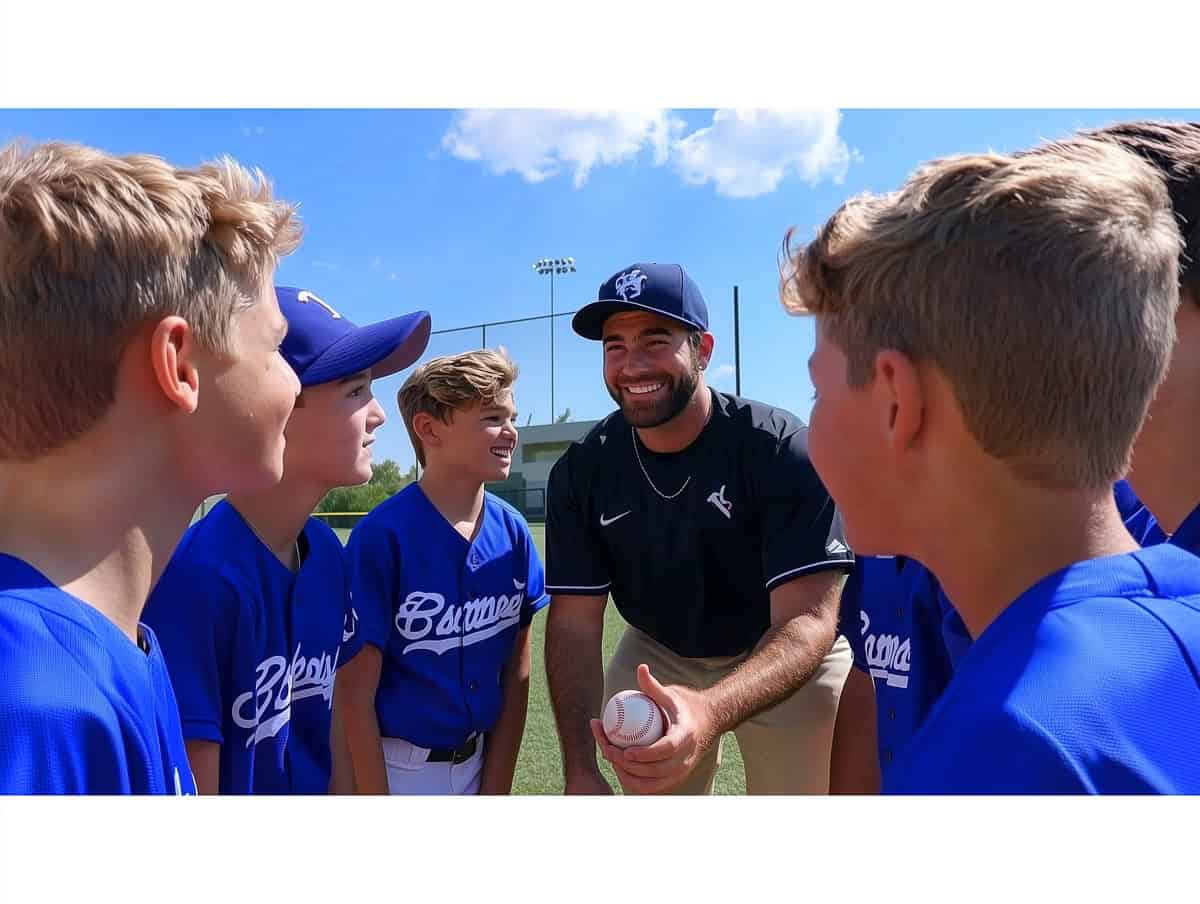
Strong relationships among players are an essential part of any baseball team’s success. A team that works together as a cohesive unit on the field starts by building trust and mutual respect off the field through fun team building activities. When players connect and truly understand each other, they are better prepared to support one another during games.
Team bonding helps players form the connections that lead to effective communication and teamwork. It’s not just about knowing who’s covering first base or signaling a bunt—it’s about building a team bond that fosters a positive environment. When everyone feels like part of the entire team, they’re more likely to play hard and stay motivated.
For youth teams, team bonding is especially important. Many players are still learning how to work with different personalities and playing styles. Activities that bring the team together help players develop a better understanding of their teammates, which translates to stronger relationships on and off the baseball diamond.
A strong team bond also leads to strategic thinking during games. When players trust each other, they can make quick decisions, rely on their teammates, and focus on achieving their common goal. Whether it’s turning a double play or cheering from the dugout, every player’s contribution matters.
Building these bonds doesn’t just create a successful baseball team—it also creates lasting memories for the players. It’s an important part of youth sports that helps foster a supportive environment and a positive team culture. When players feel connected, they don’t just play as individuals; they play as a team. And that makes all the difference.
Off-the-Field Team Bonding Activities for Baseball Teams
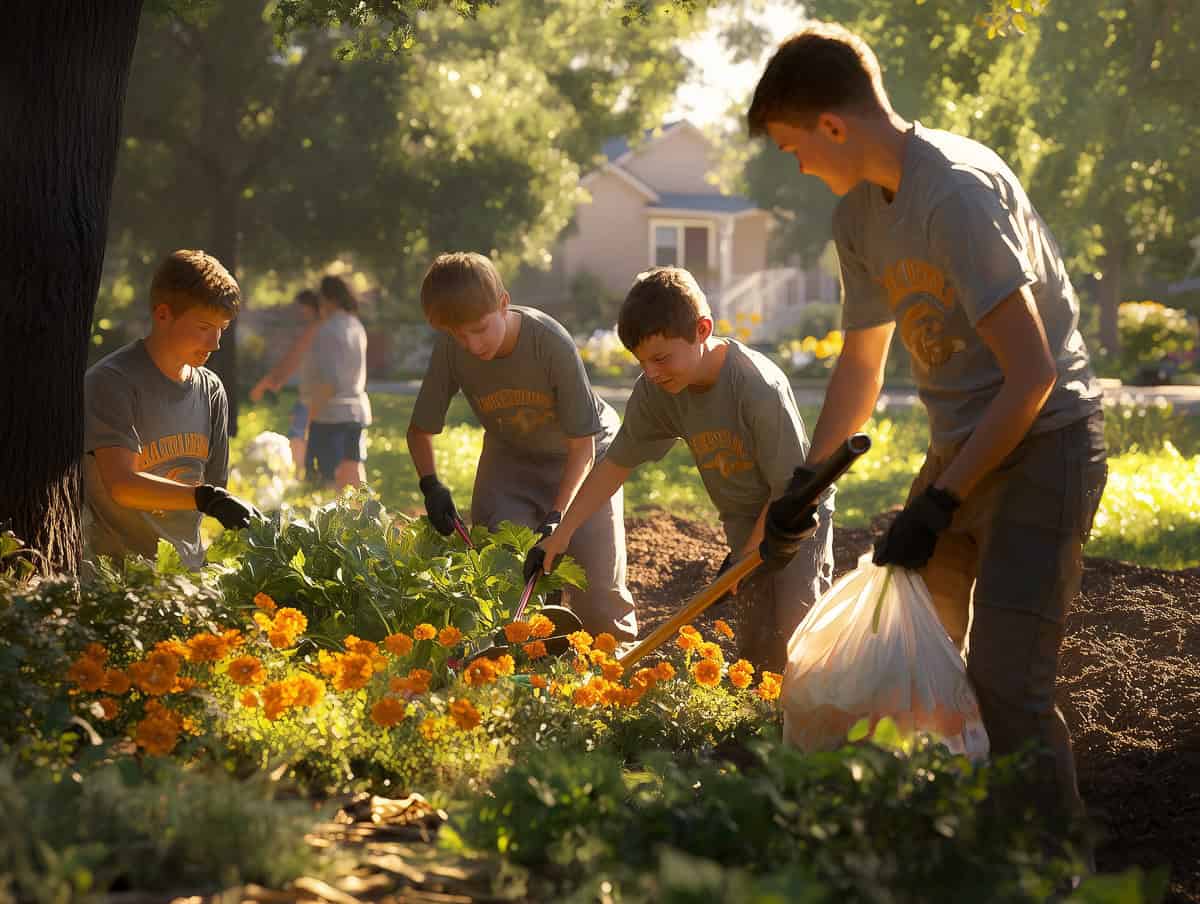
Team bonding off the field is a fun way for players to connect and strengthen their relationships. These activities help build team chemistry, which leads to better communication and teamwork during games. Plus, they’re a great opportunity to create lasting memories for the players. Community service is also a valuable team-building activity for sports teams, allowing them to bond while giving back to the community.
Create a Supportive Environment
A supportive environment is key to making team-building activities successful. Here’s how you can encourage players to participate and feel included:
- Make sure everyone feels welcome, regardless of personality or skill level.
- Plan activities that encourage players to step out of their comfort zone.
- Foster an atmosphere where players feel supported and valued.
When players feel included and comfortable, they’re more likely to engage in bonding activities and develop a stronger connection with the team.
Benefits of Team Bonding Off the Field
Off-the-field bonding strengthens relationships and helps players see each other as more than just teammates. It builds trust and a sense of belonging that carries over to practices and games. A team that feels connected off the field will perform better on it, making these activities a worthwhile investment for any coach or team mom.
Fun Team Bonding Activities
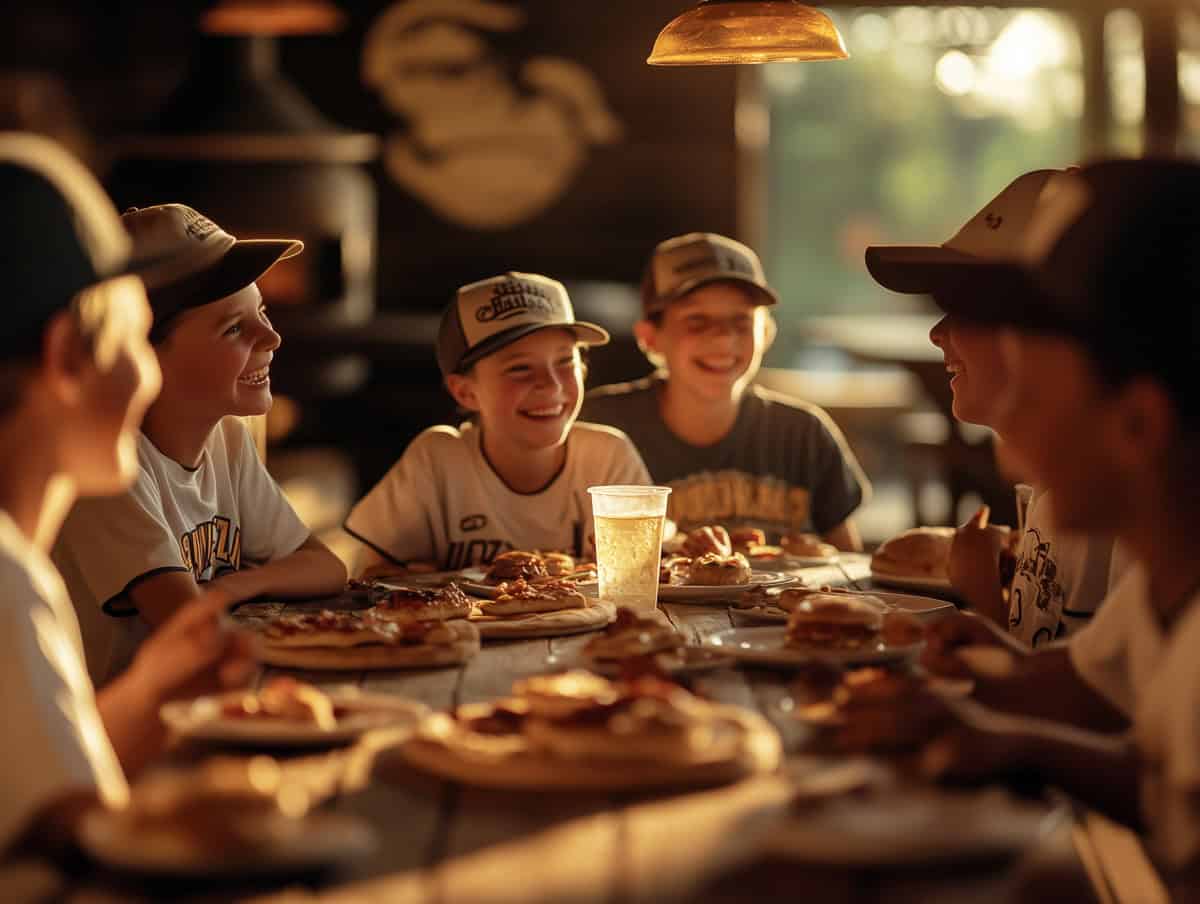
Here are some simple yet effective ideas for off-the-field team bonding:
- Escape Rooms: Challenge players to think strategically and collaborate to "escape" within a time limit.
- Team Dinners: Organize a casual dinner where players can relax and talk outside of practice.
- Movie Nights: Host a team movie night with snacks and a family-friendly film to build camaraderie.
- Volunteer Together: Engage in community service as a team to build mutual respect and create a sense of shared purpose.
- Outdoor Games: Plan activities like kickball, frisbee, or relay races to mix fun with physical activity.
Engaging Activities for Team Bonding
- Scavenger Hunts: Organize a scavenger hunt where players work in small teams to solve clues and find items. It’s a fun way to build teamwork and problem-solving skills.
- Relay Races: Set up relay races with creative twists, like using a hula hoop or balancing a baseball on a spoon. Friendly competition adds excitement while improving coordination.
- Obstacle Courses: Design a course with challenges like crawling under nets or throwing a baseball through targets. Players can compete as teams or individuals.
- Escape Rooms: Take the team to an escape room to encourage critical thinking and collaboration. Working together under pressure strengthens team spirit.
- Silent Line-Up: Challenge players to arrange themselves in order—like by birthday—without speaking. This activity promotes non-verbal communication and teamwork.
- Team Fundraisers: Host a car wash, bake sale, or hot dog stand as a fundraiser. It’s a fun way to raise money while fostering teamwork and responsibility.
Trust-Building Exercises

Trust is the foundation of a strong team. Here are some trust-building activities that encourage open communication and problem-solving:
- Trust Fall: Pair up players and have one fall backward into their partner’s arms, building confidence and trust.
- Human Knot: Have the team form a circle, hold hands with two different players, and work together to untangle themselves without letting go. This activity requires communication and problem-solving skills.
- Problem-Solving Challenges: Create tasks that require the team to work together, like building a structure with limited materials or solving a puzzle.
Community Service Activities
Volunteering as a team can build mutual respect and create a sense of shared purpose:
- Organize a park clean-up or volunteer at a local food bank. These activities teach players about leadership and responsibility.
- Plan an event where players help younger teams or little leaguers improve their skills. It’s an alternative way to give back to the baseball community while strengthening team bonds.
- Create a “fun challenge,” like collecting donations for a cause, to inspire teamwork and support for others.
On-the-Field Team Bonding Ideas for Baseball Teams
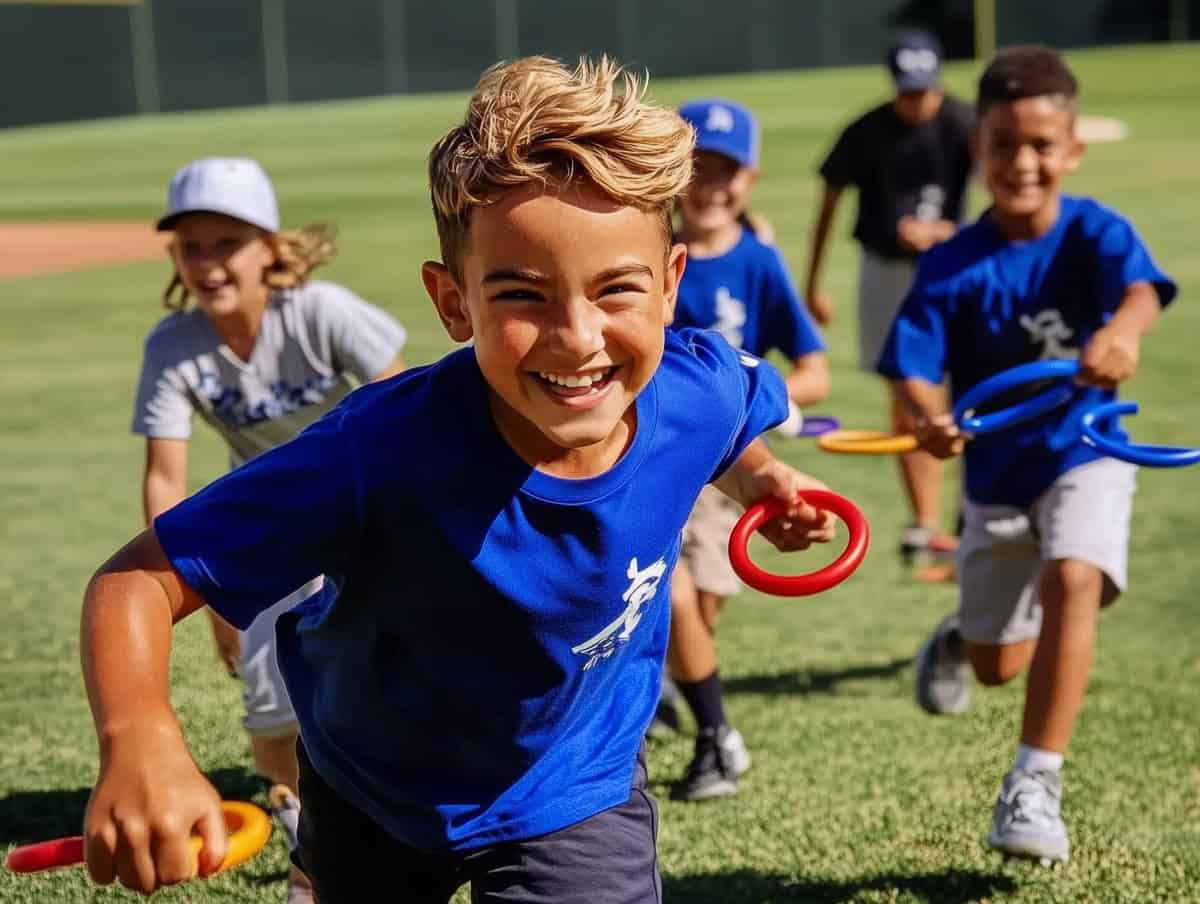
Bringing players together on the baseball diamond is a great way to build teamwork and communication while keeping things fun. On-the-field activities help players connect in an environment they’re familiar with and provide opportunities to practice essential skills. Here are some ideas to bring your team closer during training sessions or practices.
Incorporating Fun Drills
Fun drills are an effective way to encourage teamwork while helping players improve their skills. Activities like relay races and hula hoop challenges work well because they’re easy to set up and keep players engaged. These drills promote coordination and communication while adding a sense of friendly competition.
- Set up a relay race where players must pass a ball or run a set distance in teams.
- Use hula hoops to create challenges, like running bases while carrying a hoop or tossing balls through them.
- Incorporate obstacle courses on the field, mixing physical tasks with quick-thinking exercises to keep the entire team involved.
Creative Challenges with Alternative Equipment
Using unexpected items during practice adds variety and helps players think strategically. Items like duct tape and tennis balls can be great tools for team-building exercises:
- Create a duct tape relay, where players work together to build a small structure or complete a task using only tape and basic materials.
- Use tennis balls for throwing accuracy challenges or relay races, encouraging players to work on precision and speed.
- Assign different positions for drills to help players understand their teammates' roles, building empathy and teamwork.
Team Bonding at the Baseball Diamond or Batting Cages
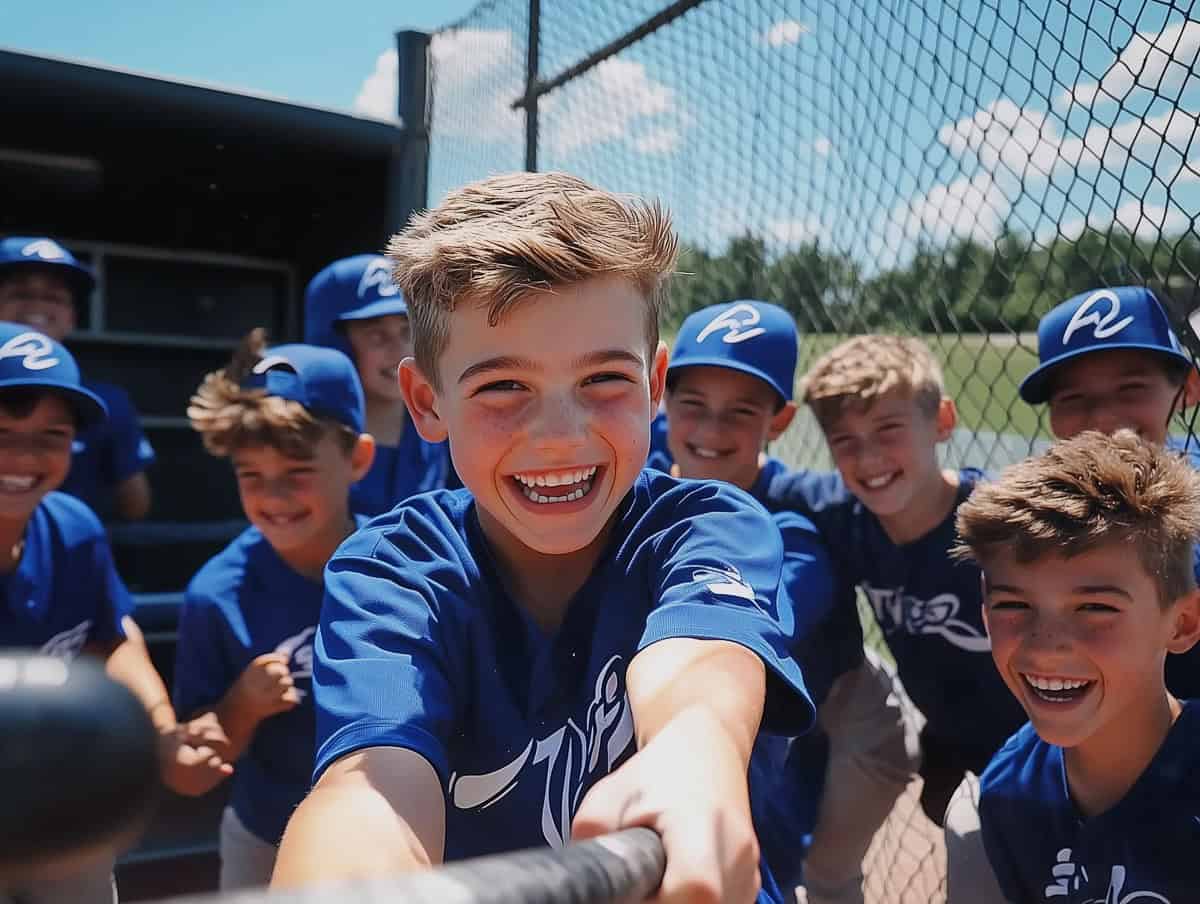
Practicing together at the baseball diamond or batting cages can also serve as a team-building activity. These settings encourage open dialogue and provide opportunities for players to support each other:
- Organize batting practice where teammates cheer each other on and offer tips.
- Set up small team competitions, like who can hit the most balls to right field or complete the most accurate throws.
- End practice with a fun team-building activity, like a game where players rotate through different positions on the field.
Building Leadership, Open Communication, and Positive Team Culture in Baseball Teams
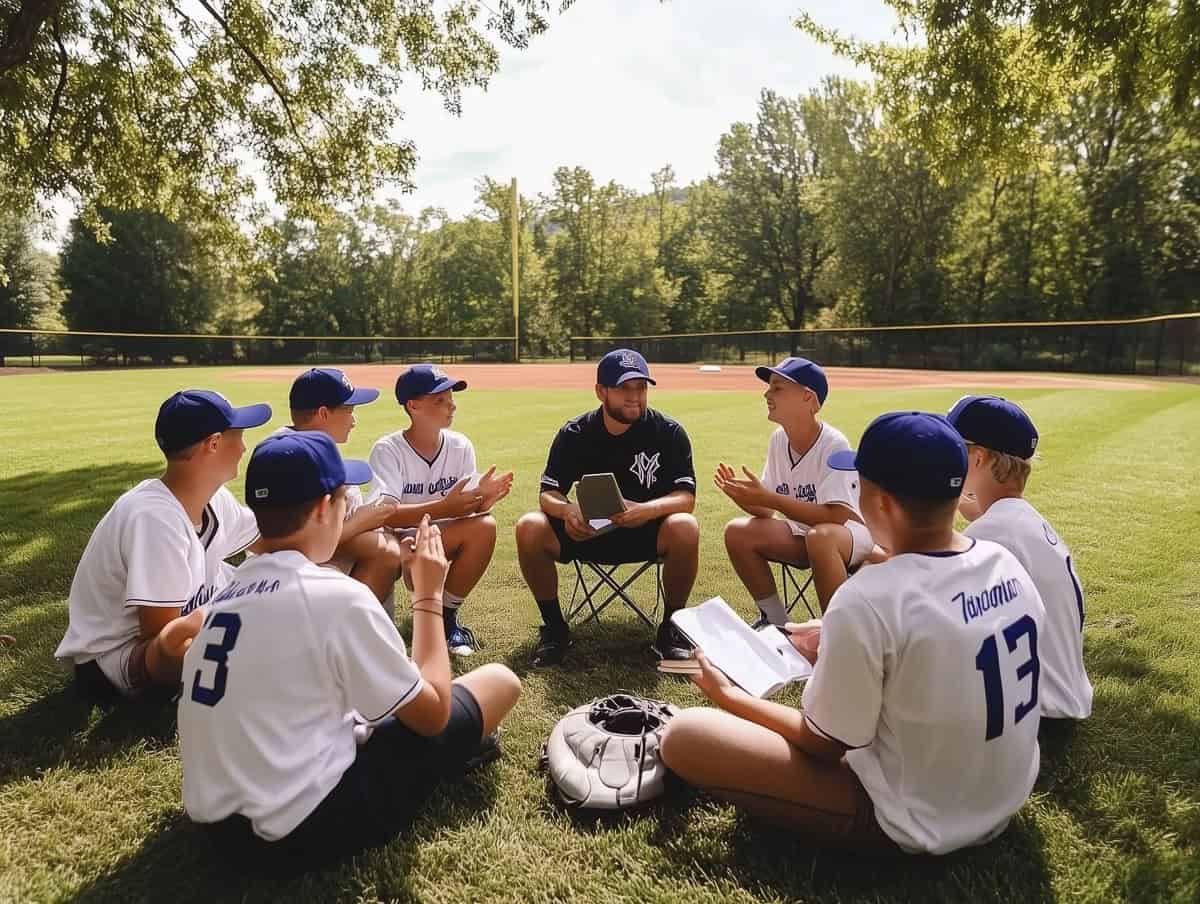
Leadership and communication play a crucial role in the success of any baseball team. Encouraging players to develop these skills can lead to better teamwork, stronger relationships, and a more supportive environment both on and off the field.
Encourage Leadership Roles Among Players
Giving players the chance to step into leadership roles is an important part of any sport. It builds confidence and teaches responsibility. Team moms and coaches can create opportunities for players to lead during activities or practices.
- Assign a player to lead warm-ups or organize team-building games.
- Rotate leadership roles during team meetings, encouraging every player to take a turn guiding the discussion.
- Let players make decisions in low-pressure situations, like creating a batting order during a fun scrimmage.
These small moments help players understand the importance of decision-making and foster strategic thinking. Plus, teammates learn to respect and trust each other’s leadership abilities.
Foster Open Communication in the Team
Open communication is key to building a supportive and cohesive team. When players feel heard, they’re more likely to trust their teammates and contribute to the group. Coaches and team moms can promote open dialogue through regular team meetings and activities that encourage players to share their thoughts.
- Hold team meetings where players can discuss goals, challenges, or ideas to improve as a group.
- Use activities like trust exercises or problem-solving games to build communication skills and better understanding among players.
- Create a space where players feel comfortable giving and receiving constructive feedback.
By prioritizing communication, players learn how to express themselves while listening and responding to others. This builds a stronger, more united team.
Develop Critical Thinking and Strategic Skills
Leadership and communication also go hand-in-hand with critical thinking and strategic planning. Activities that challenge players to think creatively can improve their ability to adapt during games.
- Use problem-solving activities like obstacle courses or relay games to teach teamwork and strategic thinking.
- Incorporate drills that require quick decision-making, like simulating game scenarios where players must react as a group.
- Encourage players to reflect on what worked and what didn’t after a game or activity, helping them develop better strategies for the future.
Leadership and open communication are skills that go beyond the baseball diamond. By creating opportunities for players to lead, share ideas, and think strategically, you’ll build a team that’s more confident, connected, and ready to face any challenge.
Overcoming Conflict and Fostering Respect
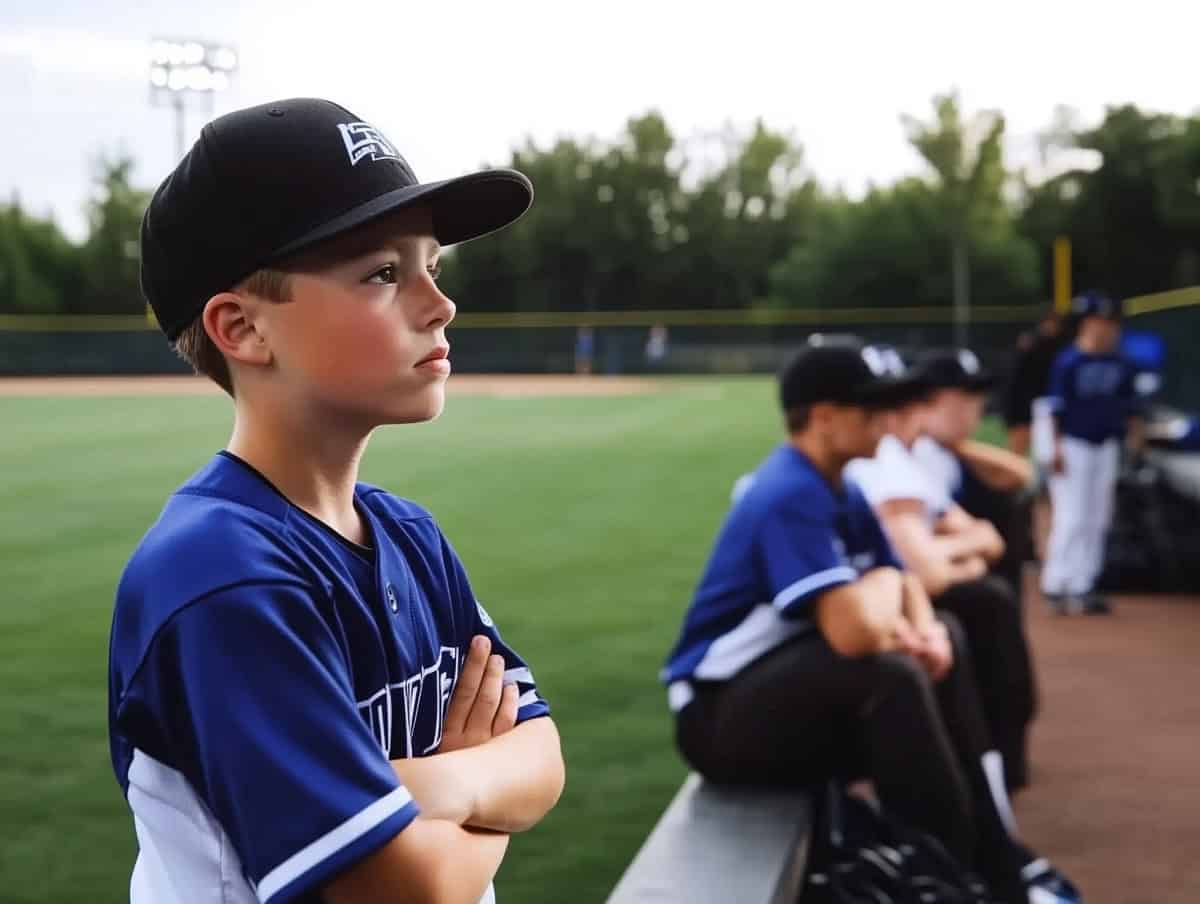
Overcoming conflict and fostering respect are essential components of building a strong and cohesive team. As a coach, it’s crucial to establish a positive team culture that promotes respect, empathy, and open communication among players.
Understand Your Team’s Needs and Dynamics
To overcome conflict and foster respect, it’s essential to understand your team’s needs and dynamics. Take the time to get to know each player’s strengths, weaknesses, and personalities. Identify potential areas of conflict and develop strategies to address them. Encourage open communication and create a safe and supportive environment where players feel comfortable sharing their thoughts and feelings.
Organize Engaging Activities
Organize engaging activities that promote teamwork, communication, and problem-solving. These activities can help build trust and respect among players, and can be tailored to fit the specific needs and goals of your team. Examples of engaging activities include:
- Team-Building Exercises: Activities like the Human Knot or Trust Fall encourage players to rely on each other and build trust.
- Community Service Projects: Volunteering at a local food bank or participating in a charity event fosters a sense of shared purpose and mutual respect.
- Relay Races: Team-based competitions that promote teamwork and communication.
- Team Outings: Social events outside of practice, such as a team picnic or a trip to a local amusement park, encourage players to bond and build relationships.
Evaluate and Monitor the Impact
Regularly evaluate and monitor the impact of your team-building activities and conflict resolution strategies. Ask players for feedback and suggestions, and make adjustments as needed. Celebrate successes and recognize players who demonstrate exceptional teamwork, communication, and sportsmanship. By continuously refining your approach, you can ensure that your team remains cohesive and respectful.
Sportsmanship and Fair Play
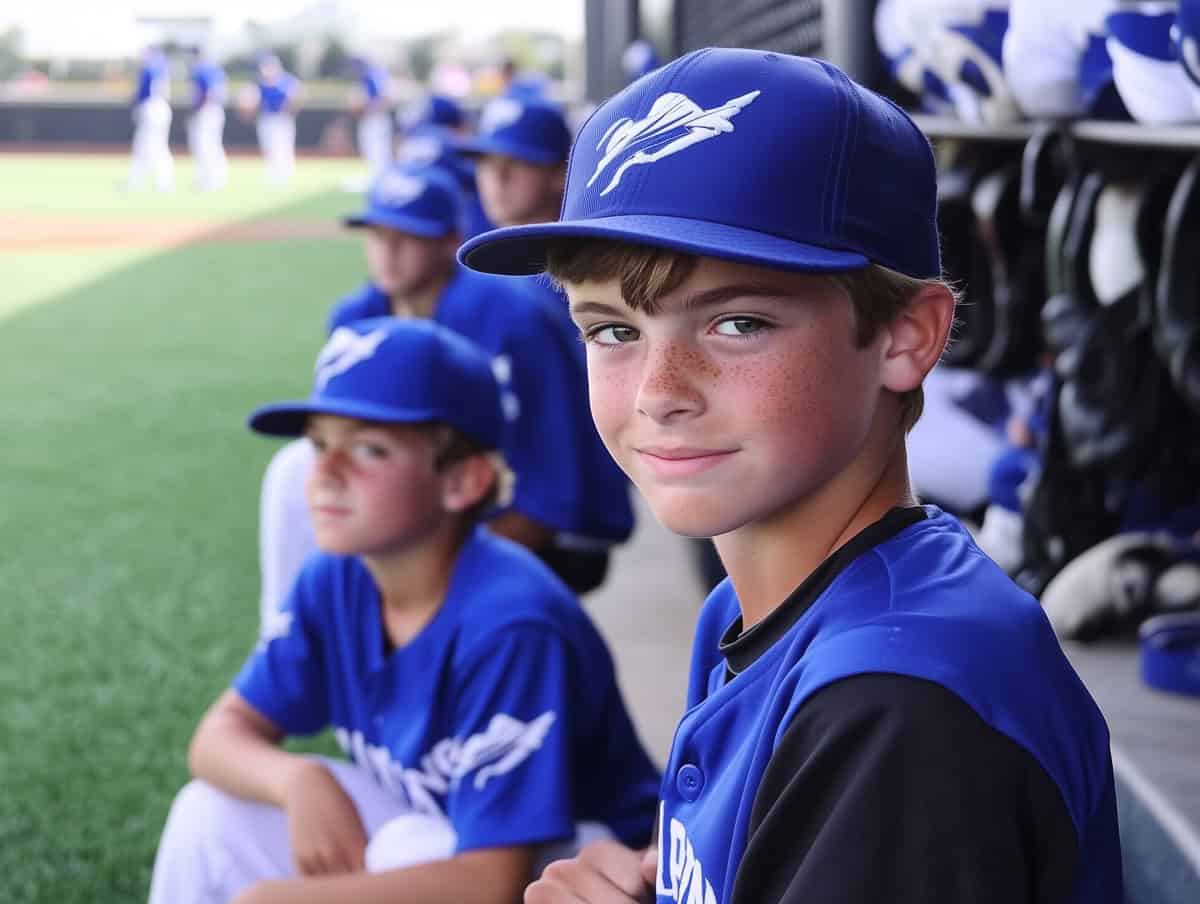
Sportsmanship and fair play are essential components of any successful sports team. As a coach, it’s crucial to promote a culture of respect, empathy, and fair play among players.
Promoting Sportsmanship
Promote sportsmanship by encouraging players to respect their opponents, teammates, and officials. Teach players the importance of fair play, and encourage them to conduct themselves in a respectful and sporting manner, both on and off the field. Examples of ways to promote sportsmanship include:
- Shaking Hands: Encourage players to shake hands with their opponents before and after games to show respect.
- Respecting Rules and Officials: Teach players to respect the rules and officials, and to avoid arguing or disputing calls.
- Supporting Teammates: Encourage players to support and encourage their teammates, and to avoid criticizing or blaming others for mistakes.
- Recognizing Sportsmanship: Recognize and reward players who demonstrate exceptional sportsmanship and fair play.
By promoting sportsmanship and fair play, you can help build a positive and respectful team culture that will benefit your players both on and off the field. This not only enhances the team’s performance but also instills valuable life lessons in the players.
Tips for Planning Successful Team-Building Events for Baseball Teams
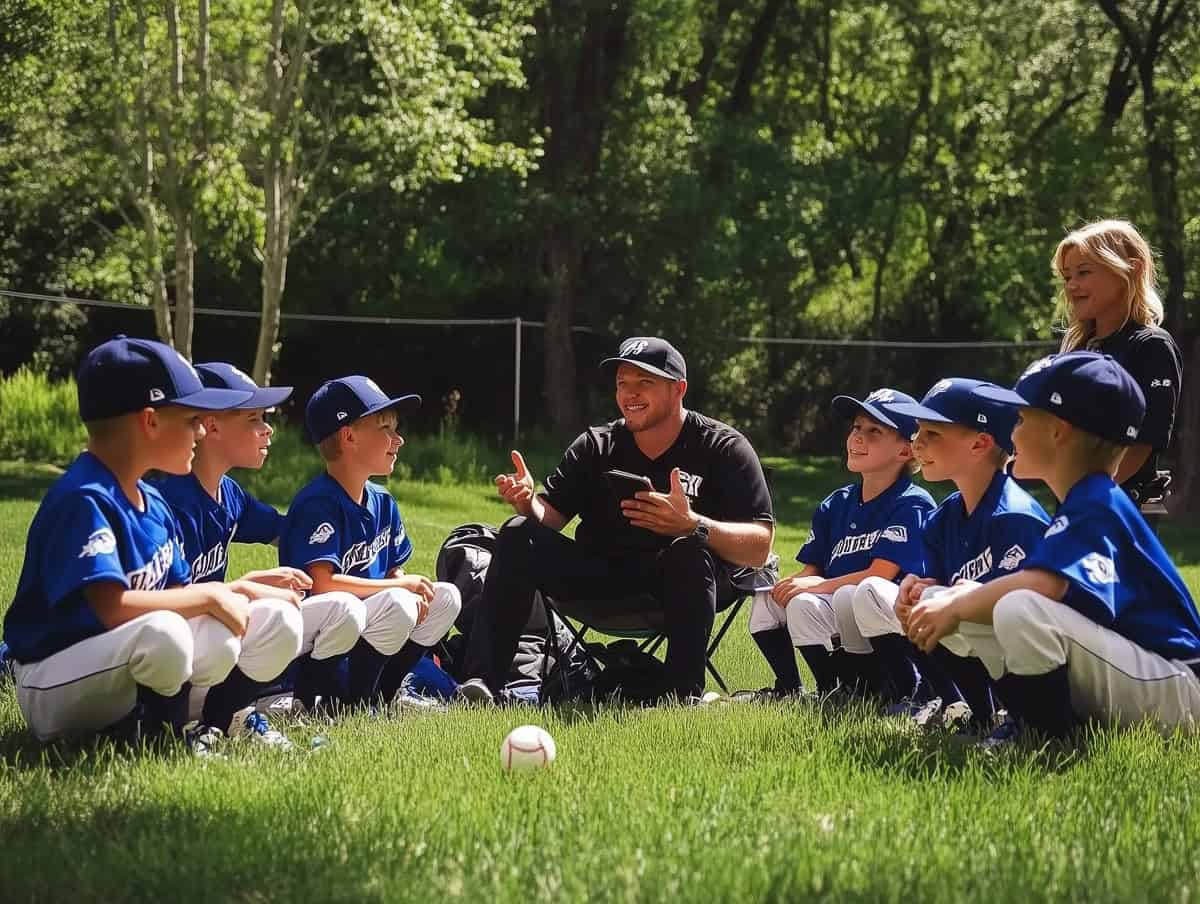
Planning team-building events is a great way to bring players together and strengthen their bond. Whether it’s the start of the season or mid-way through, a well-organized event can set the tone for teamwork and connection. Here are some practical tips to help you plan effective activities for your whole team.
Set Time Aside for Team Bonding
Finding time for team-building activities is important. With practices, games, and school schedules, it can feel like there’s no extra time, but setting aside specific time for bonding helps prioritize it.
- Plan team-building events at the start of the season to help players get to know each other early on.
- Incorporate smaller activities into training sessions to keep bonding consistent throughout the season.
- Schedule events for when the whole team can attend, like after practice or on a free weekend.
These small steps ensure every player feels included and part of the group.
Involve the Whole Team
Team-building works best when everyone participates. To make this happen, choose activities that are fun, engaging, and accessible for all players.
- Mix up groups to ensure players from different backgrounds or skill levels get to work together.
- Include a variety of activities, from physical challenges like obstacle courses to problem-solving games that require teamwork.
- Create a supportive environment where every player feels encouraged to step out of their comfort zone.
When the whole team participates, it builds trust and strengthens relationships across the board.
Keep It Fun and Organized
A fun challenge or creative game is more effective when it’s well-planned. Here are a few tips to make team-building events enjoyable and organized:
- Prepare in advance by gathering supplies, like tennis balls for throwing drills or markers for obstacle courses.
- Be clear about the goals of each activity, whether it’s improving communication, teamwork, or strategic thinking.
- Balance competition with fair play, emphasizing team effort over individual success.
By focusing on fun and inclusivity, players are more likely to stay engaged and take the lessons into games.
Schedule Regular Activities
Team bonding shouldn’t be a one-time event. Regular team-building exercises help reinforce relationships and keep players connected throughout the season.
- Plan smaller activities during training sessions to keep team spirit alive.
- Organize larger team-building events at key moments, like before playoffs or after a big game.
- Adjust the activities based on your team’s needs, whether they’re working on trust, communication, or teamwork.
Conclusion
Team-building activities are more than just a fun break from practices—they’re an essential part of creating a winning team. Investing in these activities helps foster a cohesive team where every player feels connected, valued, and motivated to contribute. A team with strong bonds is better equipped to communicate, work together, and support each other on the field.
A positive team culture not only leads to better understanding among players but also improves individual performance. When players feel like part of a supportive group, they’re more likely to push themselves and trust their teammates. This creates a foundation for success that goes beyond the scoreboard.
Team moms and coaches have a great opportunity to shape these bonds and build a team that thrives both on and off the field. Whether it’s through fun team-building games, trust-building exercises, or regular team meetings, these efforts make a lasting impact. The relationships formed during these activities will benefit the entire team for seasons to come.
Take the time to prioritize team bonding. It’s one of the best ways to create a successful team, filled with confident, connected players ready to face any challenge together.