
Choosing the perfect baseball glove for your 10-year-old can feel as challenging as hitting a curveball. If you're anything like me, a baseball mom who's navigated the ups and downs of little league seasons, you understand the importance of finding just the right glove.
Over the years, I've been on the hunt for gloves for various ages and positions, learning a thing or two about what makes a glove a hit. This post is designed to share that knowledge, helping you find the best baseball glove for your young player.
You're going to discover everything you need to know about selecting a baseball glove, from the importance of fit and comfort to choosing a glove that matches your child's position on the field.
By the end of this post, you'll be equipped with the insights needed to pick a glove that not only enhances your child's game but also grows with them through their baseball journey. Consider this your guide to navigating the wide world of youth baseball gloves, informed by years of experience from one baseball parent to another.
DISCLOSURE: This post may contain affiliate links which means if you click on a product and make a purchase I will earn a small commission. I only recommend products that I truly believe are great so you get an awesome product and I get a small commission. It's a win-win. For our full disclosure policies click here.
Choosing the Right Baseball Glove for Young Players
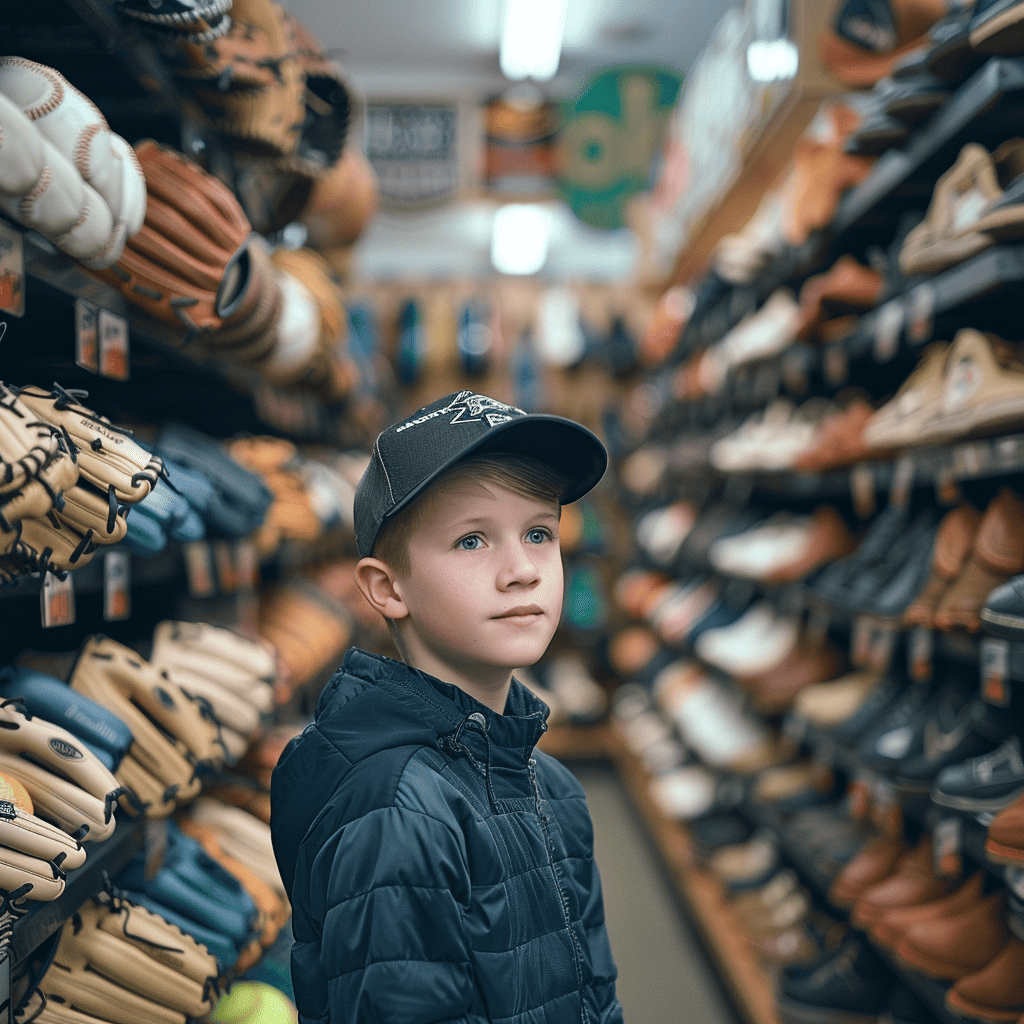
When it comes to gearing up your young baseball player, selecting the right glove is crucial. It's not just about the look; it's about finding a glove that fits well, is easy to use, and can grow a bit with them. Think of it as finding the perfect pair of shoes for their hands.
|
Best Overall
|
Runner Up Best Overall
|
Best For First Time Players
|
Value At Affordable Price
|
|
3.5
|
3.5
|
3.5
|
3.5
|
|
$79.99
|
$49.99
|
$49.99
|
$69.99
|
Essential Features for Younger Players
Hand Size Matters: The best youth baseball glove should fit your child's hand snugly but comfortably. For smaller hands, gloves designed with a smaller opening and tighter finger stalls are ideal. This ensures that the glove stays on securely and enhances their control when catching and throwing the ball.
Ease of Use: Young players are still developing their skills, so a glove that's easy to open and close is a must. Look for gloves with softer materials, like soft genuine pigskin leather or high-quality synthetic materials, that don't require a lengthy break-in period. These materials not only make the glove more comfortable but also more manageable for those just learning the game.
Perfect Fit: A glove that fits well makes all the difference. It shouldn't be too big that it slips off or so tight that it's uncomfortable. A good fit helps in making catching easier, which in turn, boosts their confidence on the field. Look for gloves with adjustable wrist closures to ensure a snug fit that can adjust to your child's hand as it grows.
Youth vs. Adult Gloves
The main difference between youth and adult baseball gloves lies in size and material. Youth gloves are specifically designed for smaller hands, with features that cater to younger players' needs. They typically come in smaller sizes to ensure a better fit and are made with softer materials for easier use right out of the box.
Adult gloves, on the other hand, are larger and made from stiffer materials that require break-in time. While these qualities might be suitable for older players who have developed their hand strength and skill, they can pose challenges for younger, less experienced players.
Youth gloves also often include unique features aimed at aiding young players in their development. For example, some youth gloves come with palm pads to reduce the sting of catching balls, and finger stalls designed to provide a better fit for smaller fingers. Additionally, the use of lighter materials helps to reduce fatigue, enabling young players to enjoy the game for longer periods.
Finding the Perfect Youth Baseball Glove: Size, Material, and Position Matters
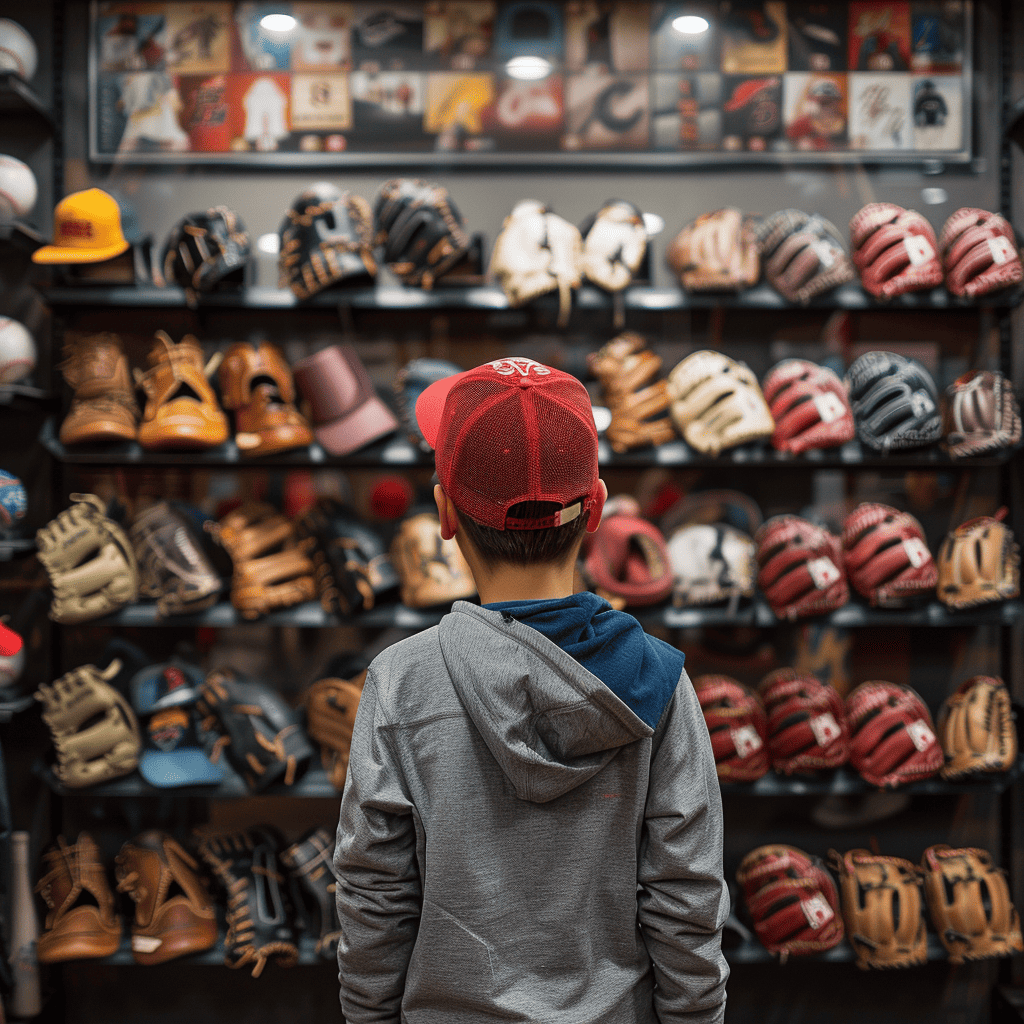
Choosing the best youth baseball glove for your child involves more than picking their favorite color. It's about comfort, performance, and the glove's ability to grow with them through their baseball journey. Let's dive into what makes a glove the right choice for young players.
The Right Size for the Right Fit
The size of the glove is your starting point. It needs to fit snugly but comfortably, allowing for control and confidence on the field. A baseball glove sizing chart is a handy tool that matches glove size with age and sometimes position. For 10-year-old players, gloves typically range from 10.5" to 11.5", depending on the player's position and preference. The right size ensures that the glove is an extension of the hand, not a hindrance.
Leather vs. Synthetic: A Material Difference
When it comes to material, you have two main choices: leather and synthetic.
Leather Gloves: These are the traditional choice, known for their durability and ability to mold to the player's hand over time. Top-grain leather and high-quality leather offer a great feel and are long-lasting. However, they usually require a break-in period, which can be a bonding experience for you and your player or a bit of a chore, depending on how you look at it.
Synthetic Gloves: These are often lighter and more affordable than leather gloves. They're great for younger kids or beginners because they're easier to use right away, with little to no break-in time required. While synthetic gloves might not last as long as leather ones, they can be a good starting point for younger players still finding their love for the game.
Position-Specific Gloves: Playing to Their Strengths
Baseball isn't a one-size-fits-all sport, and neither are gloves. Different positions have different needs:
- Catcher’s Mitts: These are robust and padded to handle the pitcher's throws. They're a specific kind of glove for a specific role.
- Fielding Gloves: Infielders and outfielders need gloves that suit their positions. Infielders often go for smaller gloves to quickly grab and throw the ball, while outfielders might choose a larger glove with a deep pocket to catch fly balls.
- First Base Gloves: These are similar to catcher's mitts but tailored for the first baseman's needs, often with a longer design to scoop up ground balls.
Choosing a glove that supports the position your child is most likely to play can make a big difference in their performance and enjoyment of the game.
Our Top Glove Picks for 10-Year-Old Baseball Players
Choosing the right baseball glove for your 10-year-old can be a game-changer. It's about finding that perfect blend of comfort, durability, and style that makes them feel confident and ready to play their best. Let's dive into our top picks, tailored to fit the needs and skill levels of young players.
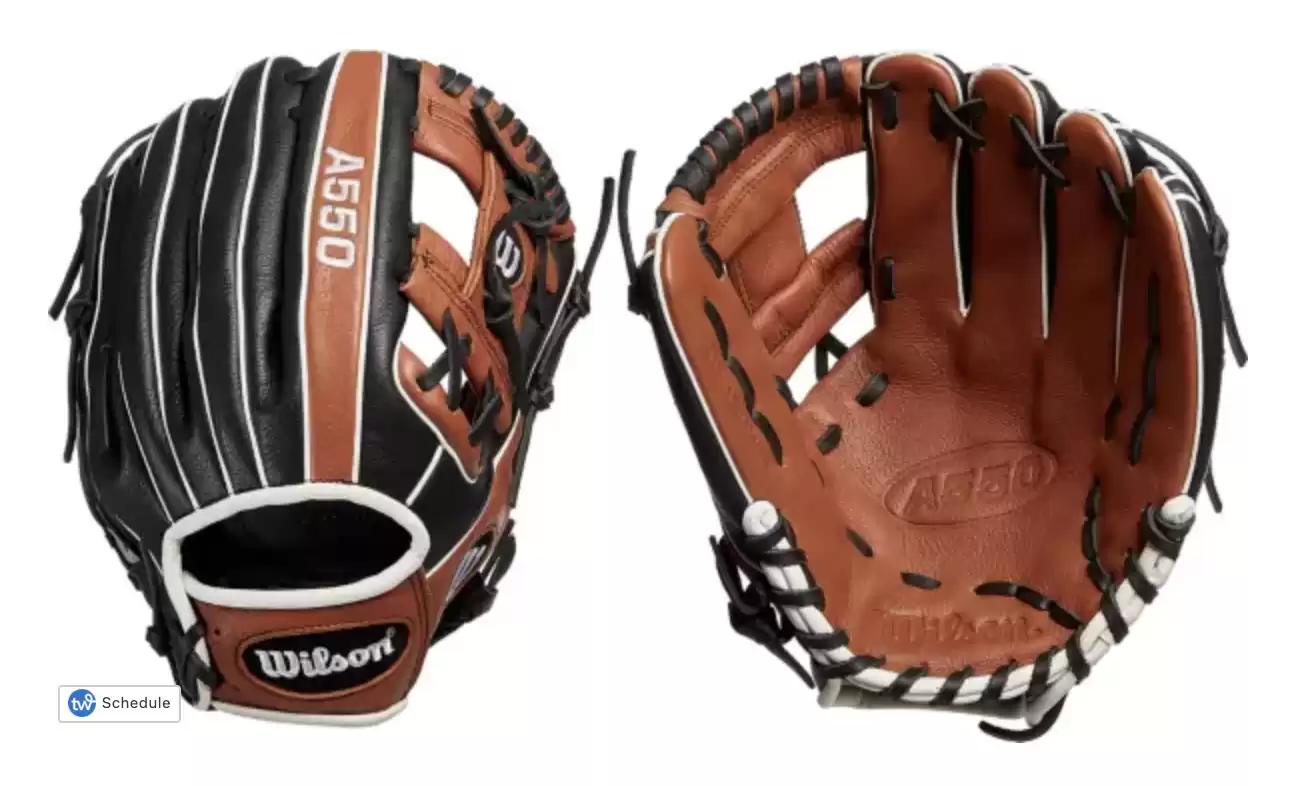
Best Overall: The Ultimate Glove for Young Players
Wilson A Series
- Why It's the Best: The Wilson A series is renowned for its superior quality, durability, and comfort. Its size and material are perfectly suited for young players, offering an excellent balance between ease of use and effective performance on the field.
- Pros: Durable, comfortable, easy to break in, and designed with young players in mind.
- Cons: Higher price point compared to other youth gloves, which might be a consideration for some families.
Other Great Choices:
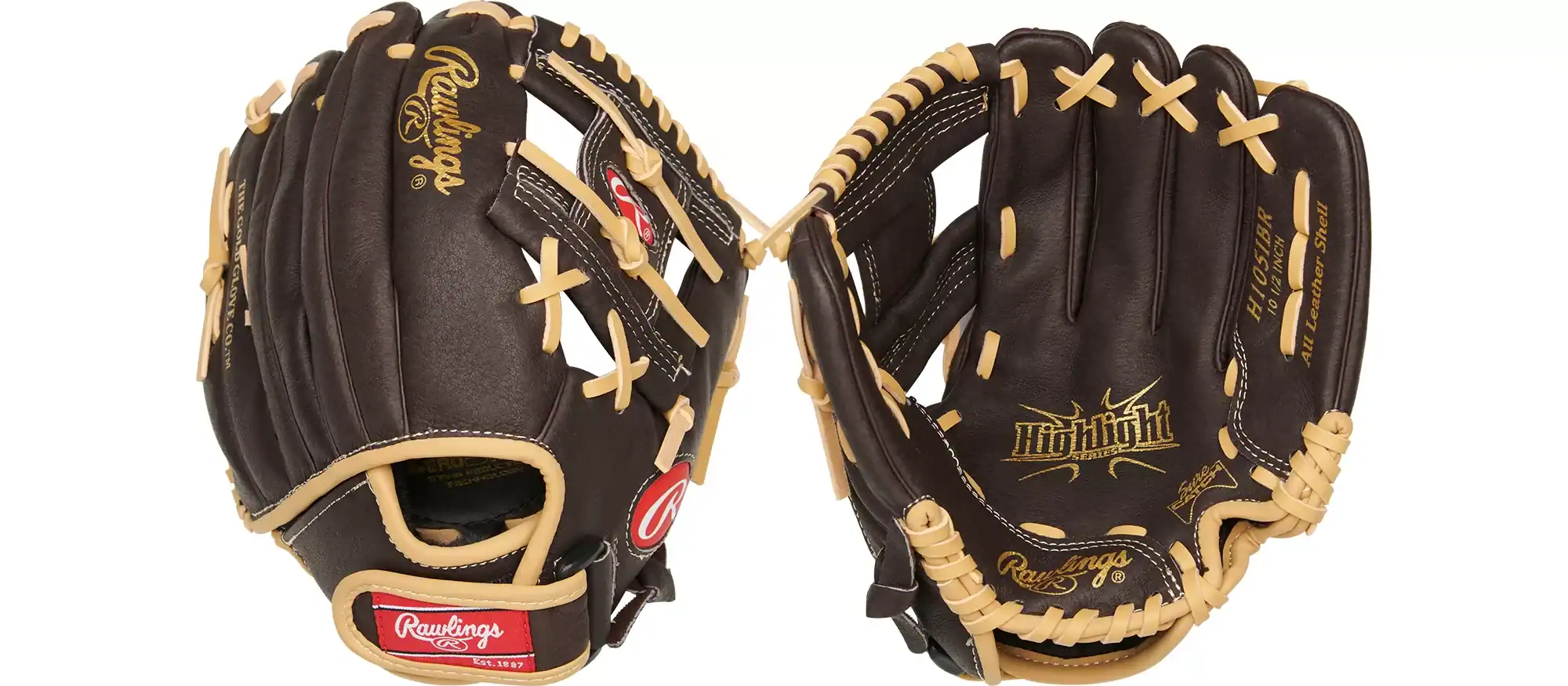
- Rawlings Youth Gloves: Known for its high-quality leather that adapts well to the player's hand shape over time, making catches more secure. Sure catch design makes it easy to close for smaller hands.
- Mizuno Prospect PowerClose: Features technology that makes it easier for young players to close the glove, enhancing their ability to catch the ball.
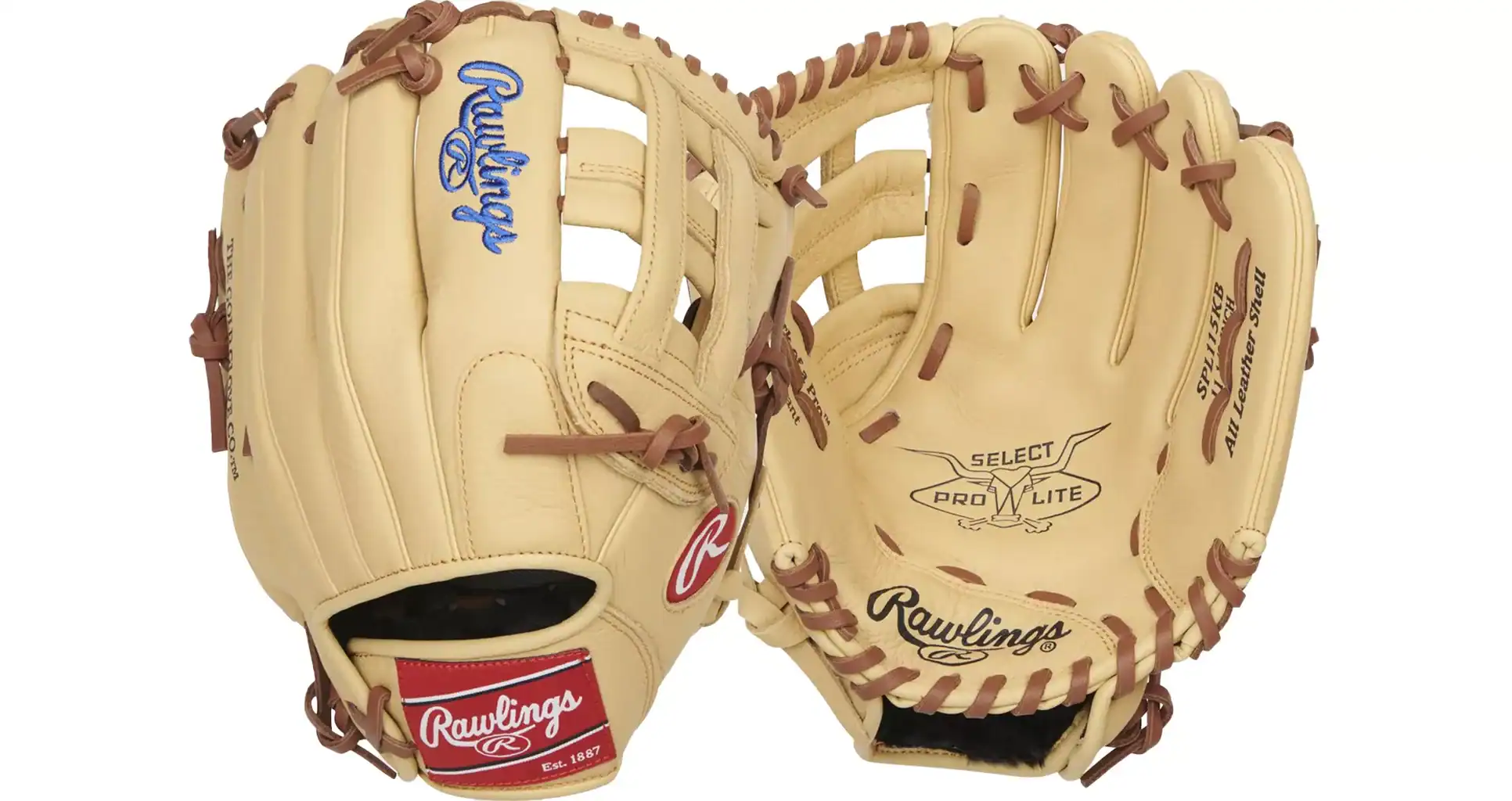
- Rawlings Select Pro Lite: Designed with lighter materials for young players, making it easier to handle and control.
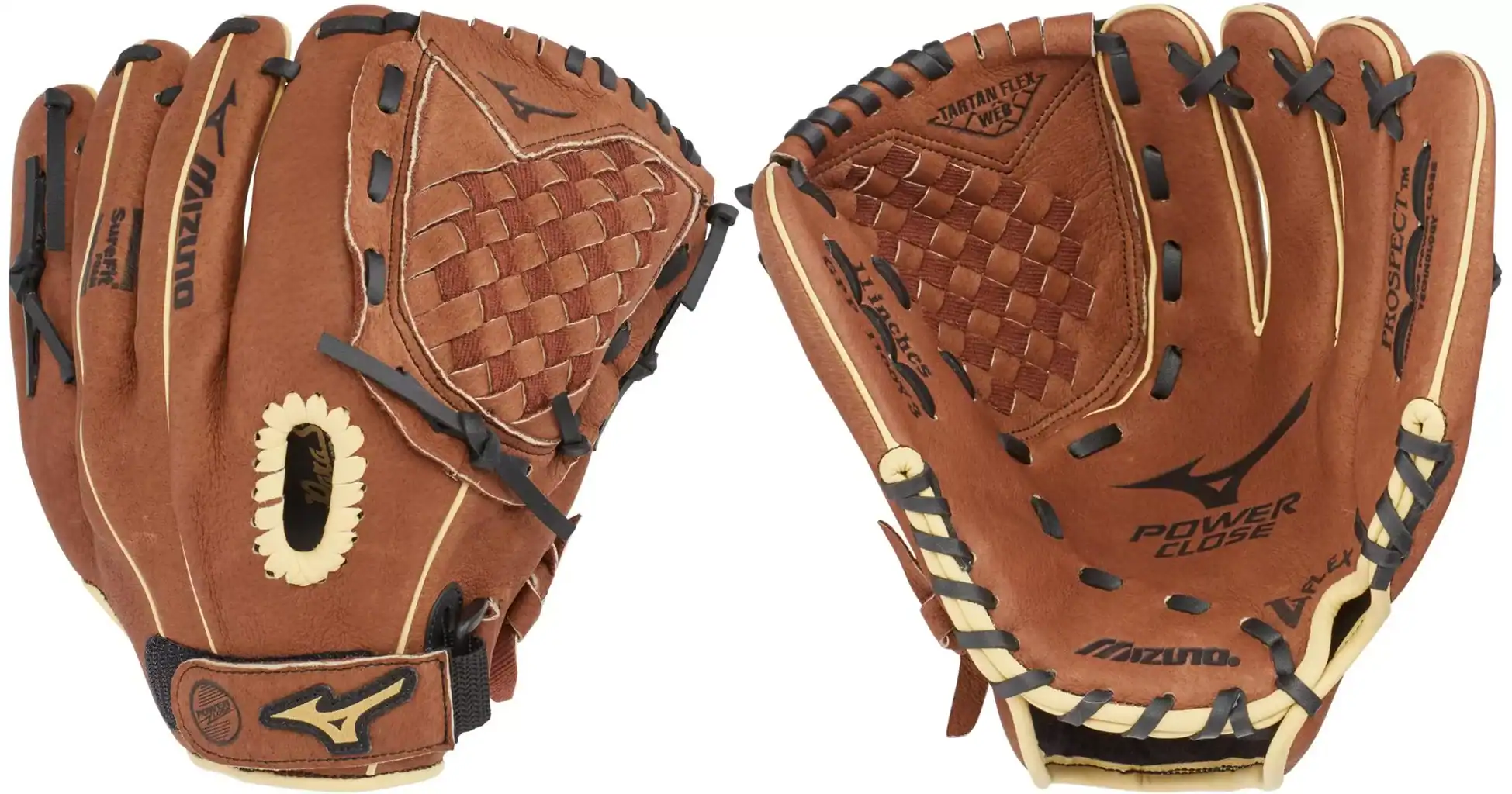
Best for First-Time Players: Ease into the Game
Mizuno Prospect PowerClose
- Why It's the Best: Specifically designed for first-time players, the Mizuno Prospect PowerClose glove includes features like soft foam for added comfort and an easy-to-close mechanism that boosts confidence and learning.
- Pros: Soft, comfortable, easy for young players to close, reducing the learning curve.
- Cons: Might lack the durability of higher-end models, requiring replacement as skills and strength improve.
Best Value: Quality at an Affordable Price
Rawlings Select Pro Lite
- Why It's the Best: This glove strikes an excellent balance between quality and affordability. It's designed to perform well on the field without breaking the bank, making it an ideal choice for families looking for great value.
- Pros: Good quality materials, affordable, and features designed with younger players in mind.
- Cons: May not have the longevity or premium feel of more expensive gloves, and some players might outgrow its performance level quicker.
|
Best Overall
|
Runner Up Best Overall
|
Best For First Time Players
|
Value At Affordable Price
|
|
3.5
|
3.5
|
3.5
|
3.5
|
|
$79.99
|
$49.99
|
$49.99
|
$69.99
|
Special Glove Considerations for Young Athletes
Gloves For Young Female Players: The Fastpitch Fit
Fastpitch softball gloves are specifically designed with the young female athlete in mind, ensuring a great fit and optimal performance. These models consider the typically smaller hand size and different finger lengths of female players, offering a snugger fit that enhances control and confidence on the field.
- Key Features: Look for gloves with a narrower wrist opening and smaller finger stalls tailored for a young female hand. These adjustments help in providing a more secure fit, allowing for better glove control and an easier time catching and fielding the ball.
You might also like: What to Expect At Baseball Tryouts
Gear for Aspiring Catchers: The Mitt That Makes a Difference
Catchers have one of the most challenging roles on the field, and the right mitt is crucial for success. Catcher's mitts are designed to withstand the speed and force of pitches, with extra padding to protect the hand and a deep pocket to secure catches.
- Unique Features: For younger players, including those with smaller hands, consider mitts with a "Pedroia fit" or similar designs that offer a tighter fit for better control. These mitts also often feature reinforced padding around the palm and fingers, providing extra protection where it's most needed.
Choosing for Middle Infielders: Precision and Quick Hands
Middle infielders, including second basemen and shortstops, require gloves that allow for quick transfers and precise control. The design of these gloves often focuses on a shallower pocket and open webbing to facilitate faster ball retrieval and release.
- Design Considerations: Look for gloves with an open web design, which helps keep the glove light and flexible, allowing for quick movements. The "Pedroia fit" can also be beneficial here, offering a snugger fit for those quick, precise plays.
Keeping Your New Baseball Glove in Top Shape
Taking care of a new baseball glove is key to making sure it lasts through many seasons and continues to perform at its best. Here’s a straightforward guide to glove maintenance and care, just like I’d share with a fellow baseball mom over coffee.
Breaking In Your Glove Properly
The break-in process is crucial for a new glove. It molds the glove to the shape of your hand and makes it more flexible, which helps in catching balls more effectively. Here’s how to do it right:
- Use Glove Conditioner: Apply a small amount of glove conditioner to keep the leather soft and pliable. Avoid over-applying, as too much oil can weigh down the leather and degrade its quality.
- Play Catch: The most natural way to break in a glove is by using it. Playing catch regularly will help the glove form to your hand and become more flexible at the points where it’s needed.
- Use a Mallet: Gently working the glove’s pocket with a glove mallet can also help break it in. Focus on the area where you’d catch the ball to create a well-formed pocket.
Regular Maintenance Tips
- Keep It Clean: Wipe off dirt and debris after each use with a damp cloth. For tougher stains, use a leather cleaner, but make sure it’s suitable for baseball gloves.
- Store It Properly: When not in use, keep your glove in a cool, dry place. Avoid leaving it in direct sunlight or in excessively hot areas, like the trunk of a car, as this can dry out and crack the leather.
- Maintain Its Shape: Store your glove with a baseball tucked in the pocket, secured with a glove wrap or belt. This helps maintain the shape of the pocket, ensuring the glove is game-ready at all times.
What to Avoid
- Do Not Soak or Overheat: Never soak your glove in water or try to speed up the break-in process by putting it in the oven or microwave. Extreme methods can damage the leather and stitching.
- Avoid Heavy Oils: Stay away from heavy oils or petroleum-based products for conditioning. They can make the glove heavy and negatively affect the leather’s quality.
Conclusion
Selecting the ideal baseball glove for young players transcends mere equipment choice—it's a foundational step in nurturing their passion for the game, their skill development, and their self-assurance on the field. The quest for the perfect glove necessitates a thoughtful consideration of the player's specific position, hand size, and individual likes, ensuring the glove not only fits perfectly but also complements their playing style and preferences. This careful selection process is key to finding a glove that feels like an intuitive extension of the player's hand, enhancing their gameplay and enjoyment.
Involving young players in choosing their baseball glove empowers them, fostering a deeper connection with their gear and a greater confidence in their abilities. Parents and youth coaches play a pivotal role in guiding this decision, emphasizing the importance of a glove that aligns with the young athlete's unique needs and aspirations. Through collaborative selection, players can step onto the field fully prepared, confident, and ready to embrace every moment of their baseball journey with a glove that truly feels like a part of them.