I’ve been trying to make better choices when it comes to what my family eats. As I get older, I care more about getting the most nutrients I can from the foods I put on our table. I’m not perfect, but I do try to focus on simple, healthy options—especially the ones that actually taste good and work in real life with busy schedules.
That’s what led me to look into kale and baobab. You’ve probably heard that kale is a super healthy leafy green vegetable, and maybe you’ve seen baobab powder at the store or in a smoothie recipe online. Both have amazing health benefits, but they’re very different. One is a cruciferous vegetable that grows in your backyard garden, the other comes from the fruit of the baobab tree, which is native to Africa.
In this post, I’m going to break down the kale benefits and baobab benefits in a way that’s easy to understand. We’ll look at their nutritional value, how they support a healthy diet, and which one might be a better fit for your goals. Whether you're trying to boost your energy, improve digestion, or just add more good health foods to your family’s meals, this will help you decide if you should stock up on one—or both.
This post is all about helping you figure out if kale, baobab, or a mix of both is the right addition to your balanced diet.
This post is informational and is not intended as medical advice. You should always consult your own doctor or medical professional for any health advice or before embarking on a new fitness or exercise routine.
Kale 101
What Is Kale? A Look at This Popular Green Superfood
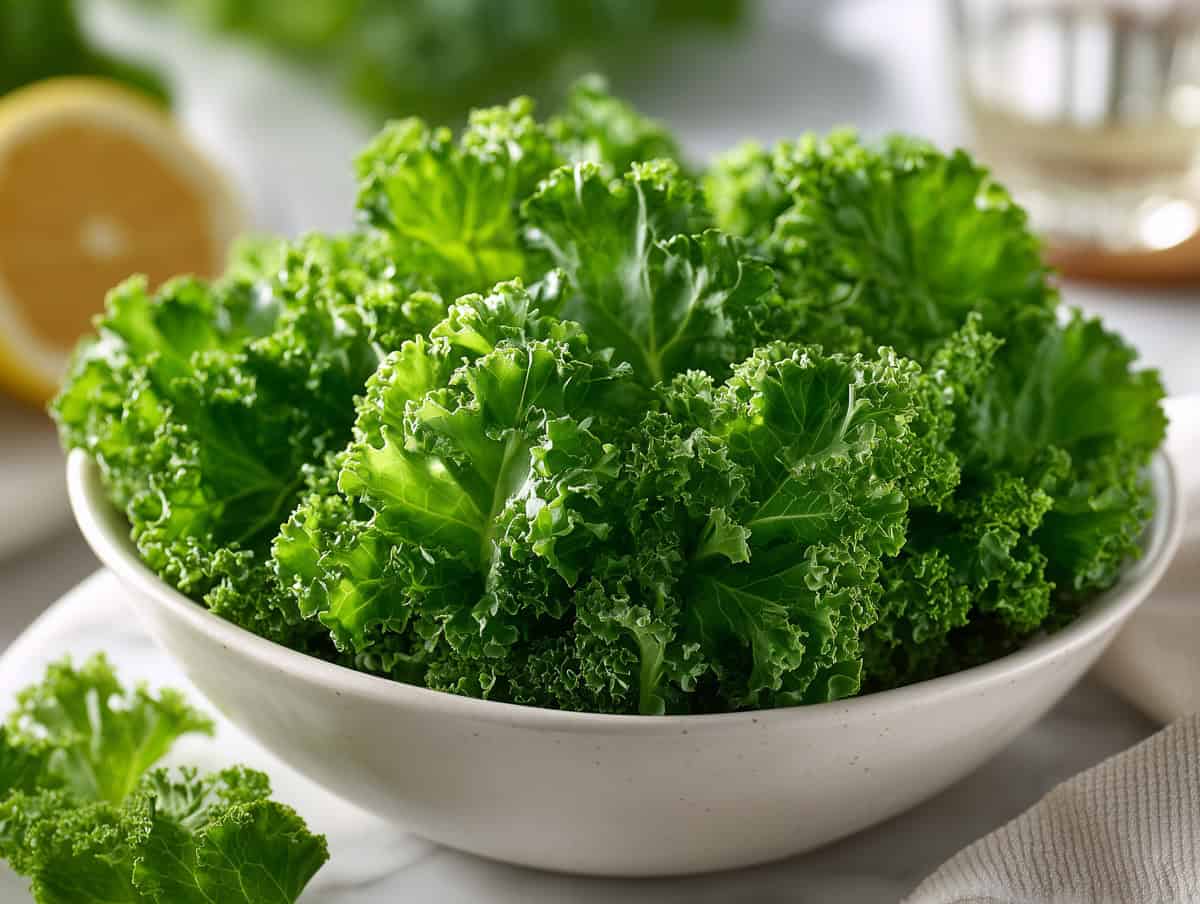
If you're trying to eat healthier, chances are you’ve heard about kale. It’s one of the most talked-about green leafy vegetables out there—and for good reason. Kale is packed with nutrients and has been around for a long time. People have been eating kale since the Middle Ages, and it's still a favorite in many kitchens today (Harvard T.H. Chan School of Public Health).
Kale is a member of the cabbage family, which also includes things like collard greens, brussels sprouts, and bok choy. It’s known for its dark green leaves and its strong, earthy flavor. You can eat it raw in salads, toss it into soups, sauté it, or even turn it into kale chips for a quick snack.
Different Types of Kale You’ll See at the Store
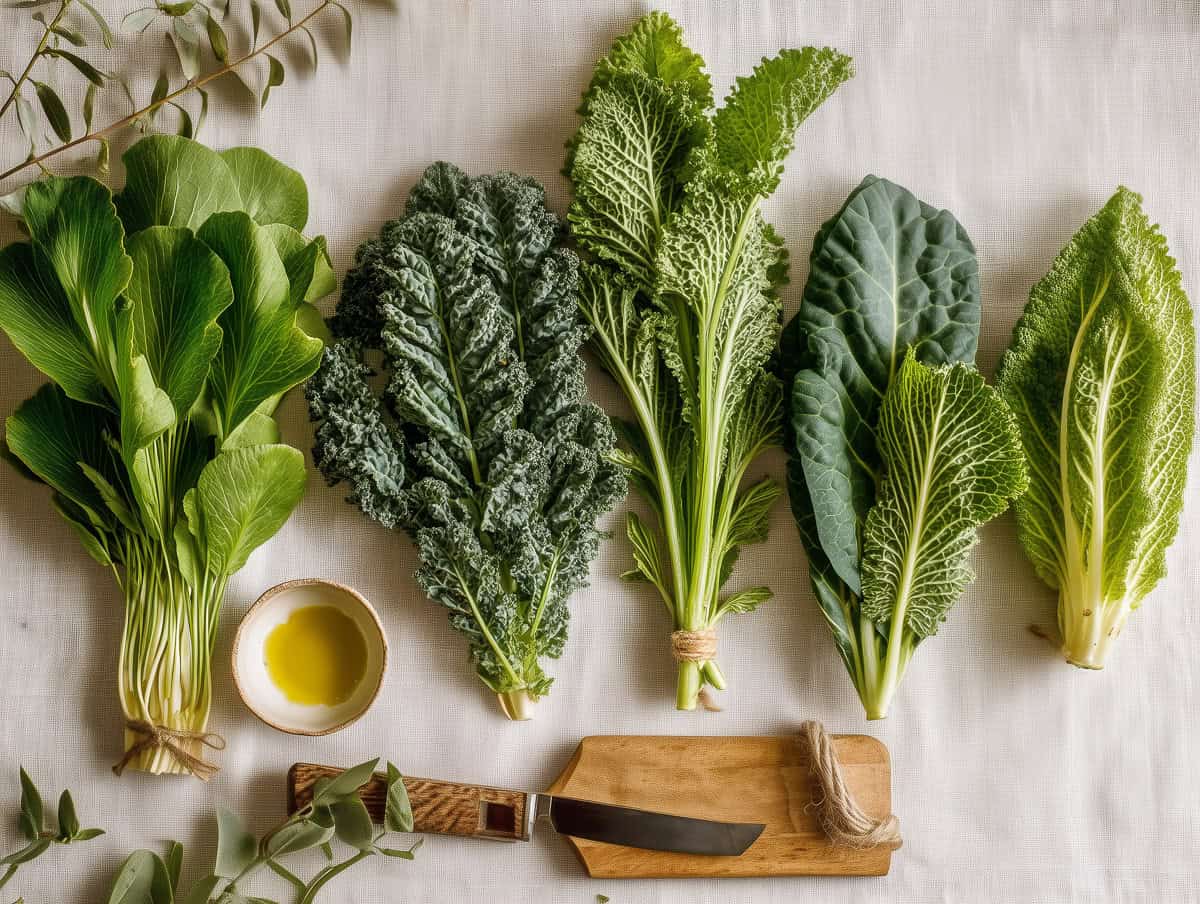
There are a few kinds of kale you’ll probably come across, especially at most grocery stores. The most common type of kale is curly kale. It has bright green, ruffled leaves and a peppery taste. You’ve probably seen it in bags or bunches in the produce section.
Another type is dinosaur kale, also called lacinato kale. It has long, flat leaves with a rough texture and a milder taste than curly kale. It's a great option for sautéing in olive oil or adding to soups.
Baby kale is also easy to find. It has smaller, tender leaves and is great in salads or smoothies because it's softer and less bitter. Then there’s scots kale and chinese kale, though those are less common depending on where you shop.
All types of kale have a fibrous stem, which most people remove before cooking or eating. You can chop the stems up and use them in soups or stir-fries if you don’t want to waste them.
Kale is one of those dark green vegetables that’s easy to add to meals. Whether you’re roasting it, blending it, or just tossing it in a bowl with a little dressing, there’s a way to make it work for your family.
Health Benefits of Kale: Why This Leafy Green Is So Good for You

Kale is one of the most nutrient-dense foods you can eat. A single cup of raw kale is packed with vitamins and minerals that your body needs every day. It’s no wonder people call it a superfood (Healthline).
Full of Vitamins That Support Your Whole Body
Kale is loaded with vitamin A, vitamin C, vitamin K, and several types of vitamin B. It also gives you folic acid, beta carotene, and calcium. These are all key for a healthy immune system, strong vision, and keeping your bones healthy as you age.
Getting enough vitamin C helps your body make collagen, which keeps your skin, joints, and blood vessels in good shape. And vitamin K plays a big part in helping your blood clot the right way. If you're on blood thinners, though, you might need to talk to your doctor before eating a lot of kale (WebMD).
Helps With Bone Health and a Stronger Heart
Thanks to its mix of calcium and vitamin K, kale helps build and protect strong bones. That’s especially important for women as we get older and start to lose bone density. Eating dark leafy greens regularly is one of the best things you can do to support your bones (Harvard Health).
Kale also supports heart health. Its high fiber content helps reduce low-density lipoprotein (LDL), which is the bad cholesterol that can raise your risk of heart disease and cardiovascular disease. The fiber and bile acids in kale work together to help your body remove excess cholesterol naturally.
Rich in Antioxidants That Help Fight Damage
Kale is loaded with antioxidants that help protect your body from free radical damage. These are unstable molecules that can cause oxidative stress, which can lead to things like cell damage, DNA damage, and even chronic diseases over time.
Eating more foods like kale helps your body fight oxidative damage and stay healthier long term. It can even support your eye health, helping reduce the risk of macular degeneration, especially as you get older.
And since kale is low in calories but high in nutrients, it’s also great for anyone looking to reach or maintain a healthy weight. You can feel full without eating too much, which makes it easier to stick with a balanced diet.
How to Enjoy Kale: Simple Ways to Add This Superfood to Your Meals

You don’t need fancy recipes or a lot of time to make kale work for your family. There are simple ways to prepare it that taste good and still give you all the health benefits. Once you know how to use it, kale can be an excellent addition to meals you already make.
Easy Ways to Cook Kale
One of the most popular methods is sautéing kale in olive oil. Just heat a little oil in a pan, add chopped kale (stems removed), and cook for a few minutes until soft. This method helps reduce the bitterness and brings out a richer flavor.
Another easy option is making kale chips. Tear the leaves into small pieces, toss with a little olive oil and salt, and bake until crispy. These are a great alternative to potato chips and can help support a healthy weight since kale has a low energy density—meaning it fills you up without adding lots of calories.
You can also blend kale into smoothies. This is my favorite way to increase my kale intake. A cup of raw kale mixes well with fruit, yogurt, or a splash of juice. This is a good way to boost your kale intake without changing the flavor too much.
Tips to Prep Kale the Right Way
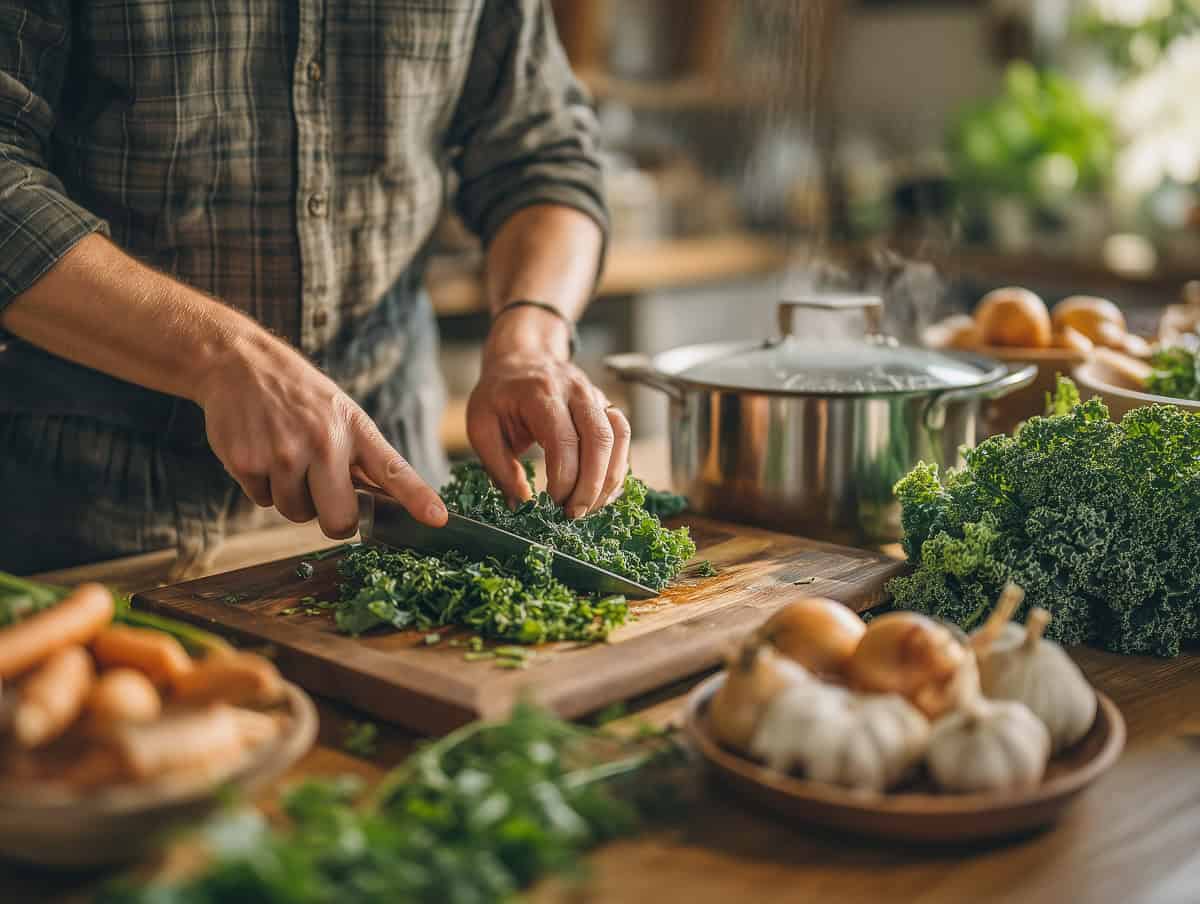
Before you cook or eat kale raw, it helps to prep it properly. Start by removing the fibrous stem that runs down the center of each leaf. These stems can be tough and chewy, especially in raw dishes.
If you're using raw kale in salads, try massaging the leaves with a little olive oil or lemon juice. Just rub the leaves between your hands for a minute or two. This breaks down the fibers and makes the leaves softer and easier to chew.
Whether you’re tossing a handful of kale into a side dish or adding a few cups of raw kale to your soup or smoothie, it’s easy to find ways to work it into your routine. And the more you eat it, the more your body benefits.
Baobab Basics – The Nutrient-Rich African Fruit
What Is Baobab? Discovering the Benefits of This African Superfruit
I had never heard of baobab until recently. A friend brought it up while we were talking about ways to add more nutrients to our meals. A few days later, I saw a pouch of baobab powder at the grocery store. I decided to look into it—and I’m glad I did.
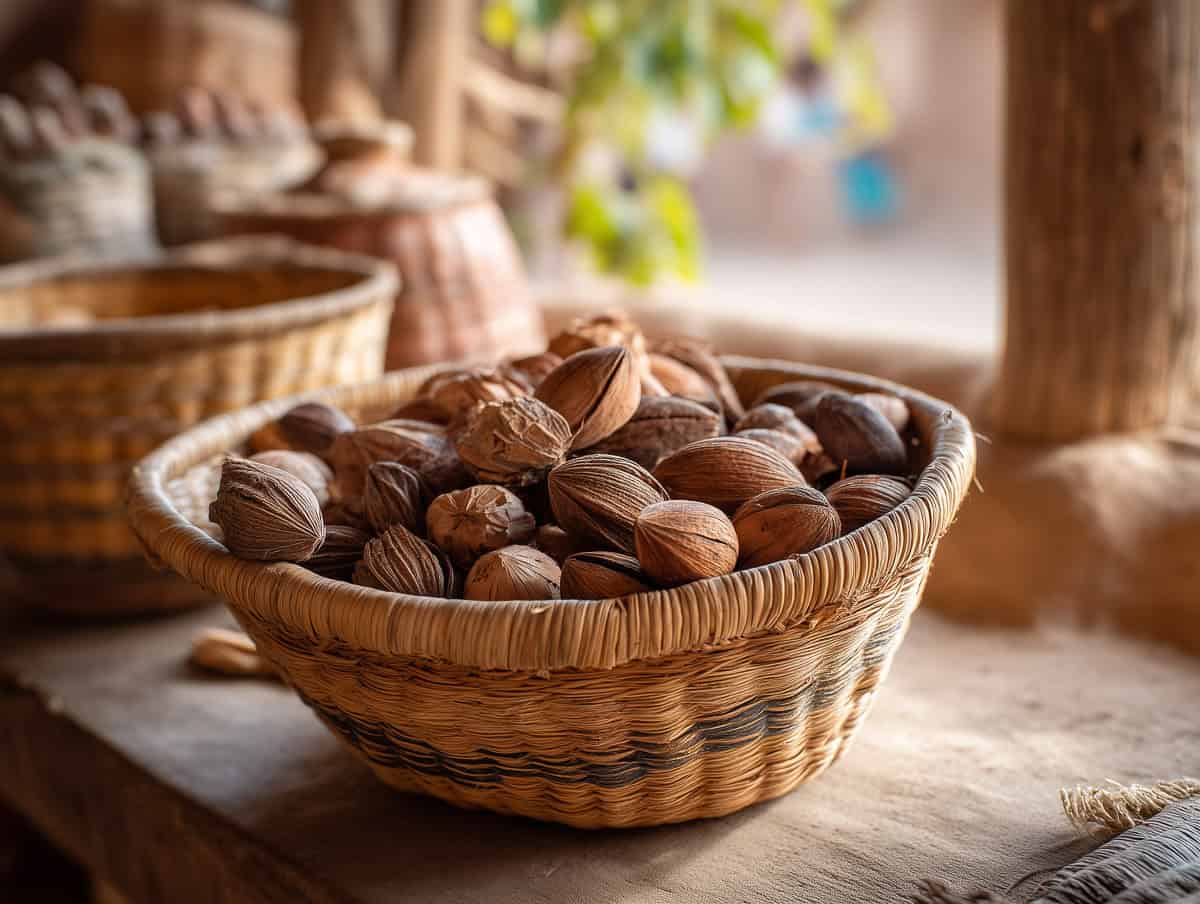
Baobab comes from the African baobab tree, also known by its scientific name Adansonia digitata. It’s sometimes called the "upside-down tree" because its bare branches stretch upward like roots. These majestic trees grow mainly in parts of Africa and can live for thousands of years. Many call it the African tree of life because it’s been used for food, water, and medicine for generations (BBC Good Food).
The Parts of the Baobab Tree
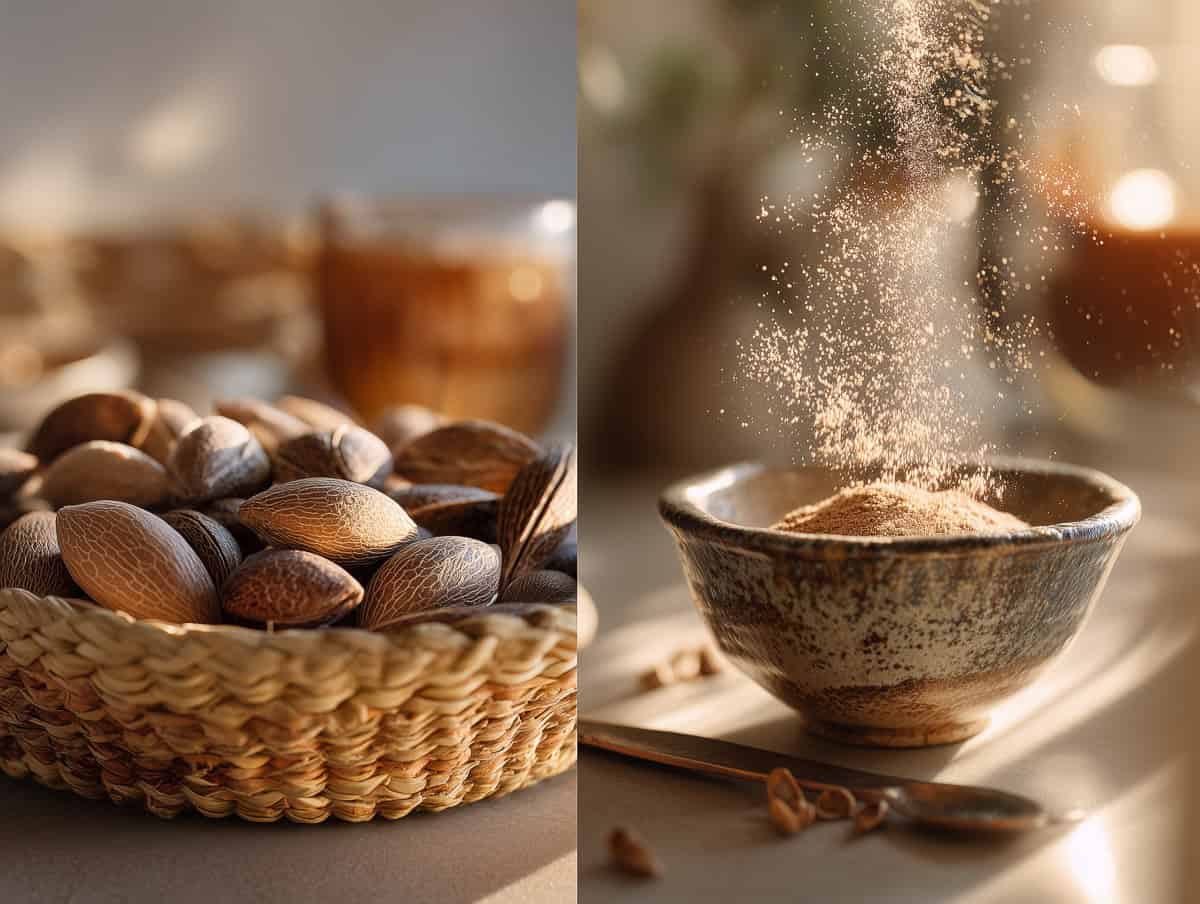
Almost every part of the tree has a use. The baobab fruit pulp is the most well-known. It dries naturally inside the shell and is ground into a powder. This powder is rich in vitamin C, fiber, and antioxidants, which makes it a great option for smoothies, drinks, or adding to yogurt (Healthline).
The seeds of the baobab fruit can be cold-pressed into baobab oil, which is often used in skincare for its moisturizing and soothing properties. The baobab leaves are also edible and are sometimes used as a green leafy vegetable in local dishes. Each part of the tree has a purpose.
Traditional Uses and Long History
Baobab has been used in traditional medicine across rural communities in the African continent for hundreds of years. It’s been known to help with fevers, diarrhea, and inflammation. Many families have relied on it to support good health, even before modern studies confirmed its benefits.
Now, research supports what people in those communities have always known. Baobab is full of bioactive compounds that may help with gut health, skin support, and even the immune system (NIH).
If you’re just learning about baobab like I was, it might be something to try. It’s a natural way to add more nutrients to your day, and it's easier to find now than ever.
Health Benefits of Baobab
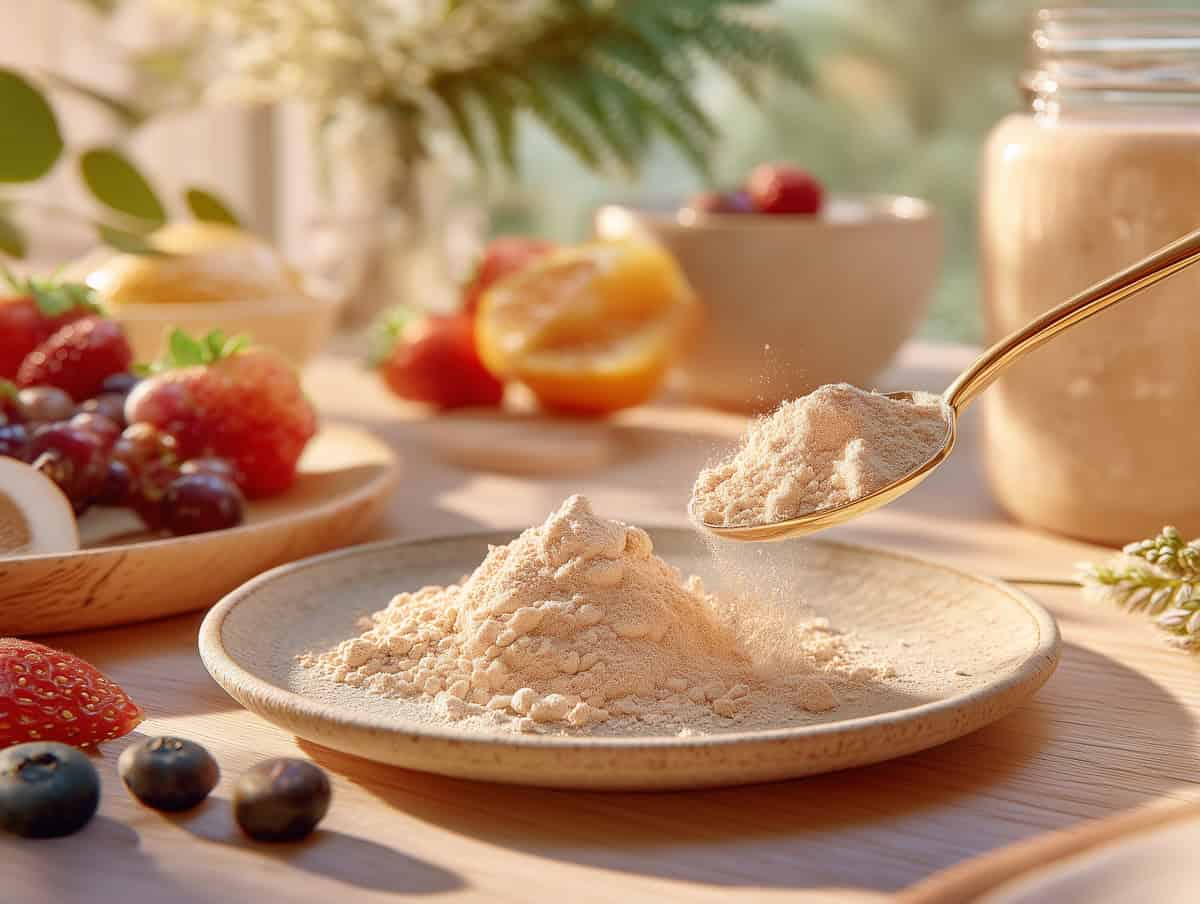
Baobab might not be a fruit you grew up with, but it's packed with nutrients that are hard to ignore. It’s one of the most nutrient-dense fruit powders out there, and it offers a wide range of health benefits that support the entire body.
Packed With Vitamin C for Immune and Skin Support
One of the biggest benefits of baobab is its high levels of vitamin C. In fact, it contains up to five times more vitamin C than oranges (Healthline). This makes it great for immune function, especially during cold and flu season.
Vitamin C also plays a key role in collagen production, which supports skin health, keeps joints strong, and helps wounds heal properly. Many people use baobab as a natural way to maintain healthy skin and reduce signs of aging.
Great for Digestion and Gut Health
Baobab is a rich source of prebiotic fiber, which supports a healthy gut by feeding the good bacteria in your digestive system. A healthy gut plays a big part in overall wellness, from improving digestion to boosting mood and energy levels (BBC Good Food).
This type of fiber also helps regulate bowel movements and supports digestive health without the need for supplements. Adding just a spoonful of baobab fruit powder to your morning smoothie or oatmeal can make a difference.
Powerful Antioxidants That Help Protect Your Body
Baobab is loaded with antioxidants that fight oxidative stress and free radical damage. These antioxidants help lower the risk of chronic diseases like cardiovascular disease and diabetes by protecting cells from long-term damage (NIH).
Over time, oxidative stress can lead to cell damage and inflammation in the body. Baobab’s anti-inflammatory properties make it a smart choice if you’re trying to reduce chronic inflammation through your diet.
Helps Manage Blood Sugar and Blood Pressure
Some early research suggests baobab may help slow down how quickly sugar is absorbed into the bloodstream. This may help regulate blood glucose levels and reduce energy crashes after meals (Healthline).
It’s also a source of important minerals like potassium and magnesium, which support heart health and may help lower blood pressure naturally.
Baobab may not be as familiar as blueberries or spinach, but it’s definitely worth learning about. Just a little bit added to your daily routine can support your immune system, improve gut health, and give your body extra tools to fight off oxidative stress.
Simple Ways to Use Baobab Powder and Oil in Your Daily Routine
Once I learned about the health benefits of baobab, I wanted to know how to actually use it. The good news is—it's easy. You don’t need any special tools or recipes. You can just add it to things you already eat or use every day.
How to Use Baobab Powder in Food
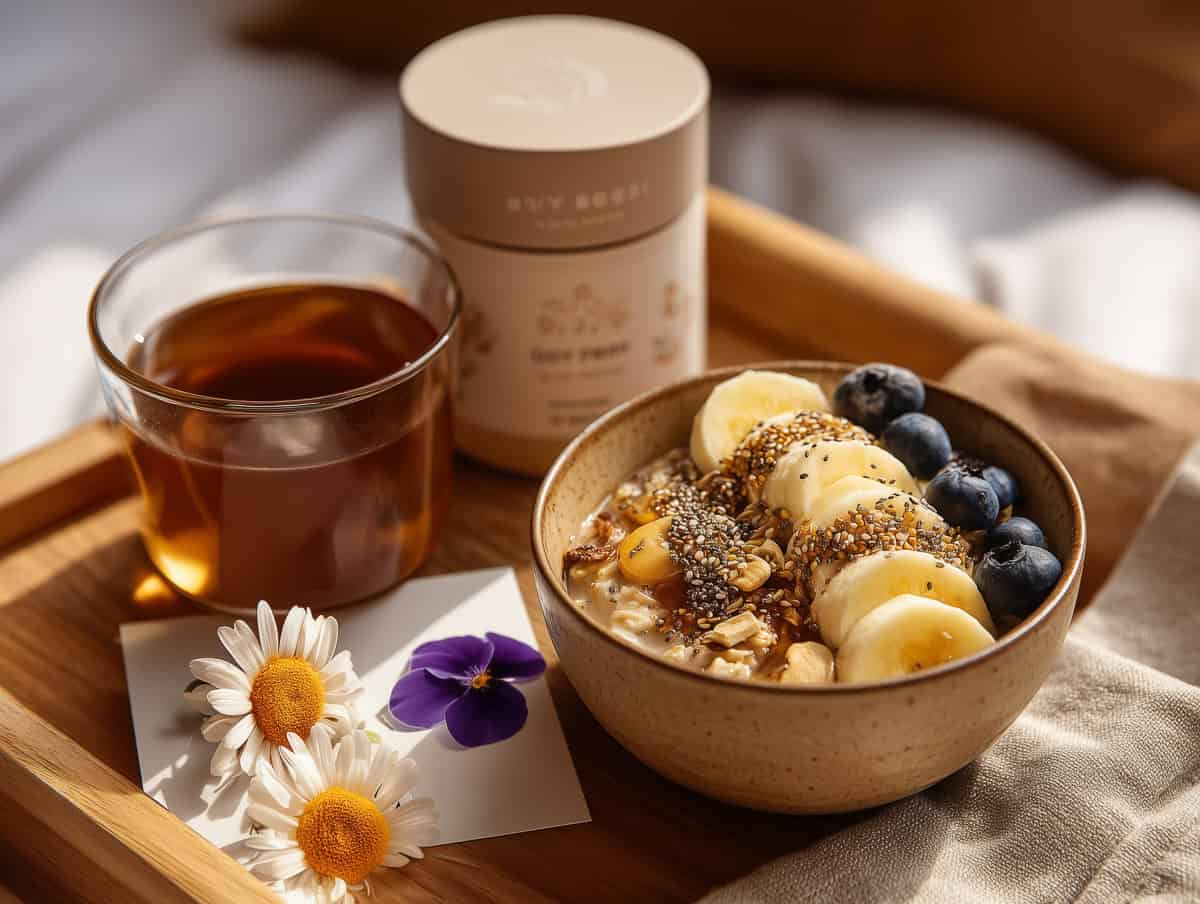
The most common way to use it is in powder form. Baobab powder is made from the dried powdery pulp of the baobab fruit. It mixes well into water, juice, smoothies, and even oatmeal.
It has a light citrus flavor, so it works really well in fruit-based snacks and drinks. I’ve been adding a spoonful to my morning smoothie or yogurt bowl. You can also sprinkle baobab fruit powder over cereal or stir it into applesauce for kids.
Since baobab is considered a food in the U.S. (not a dietary supplement), it doesn’t require approval from the Food and Drug Administration (FDA)—which means you’ll often find it sold alongside other superfoods like spirulina or chia.
People use it to support energy levels, immunity, and digestion without taking pills or powders with added ingredients. It’s an incredibly nutrient-rich fruit powder that doesn’t take much effort to include in your routine.
Baobab Oil for Skincare
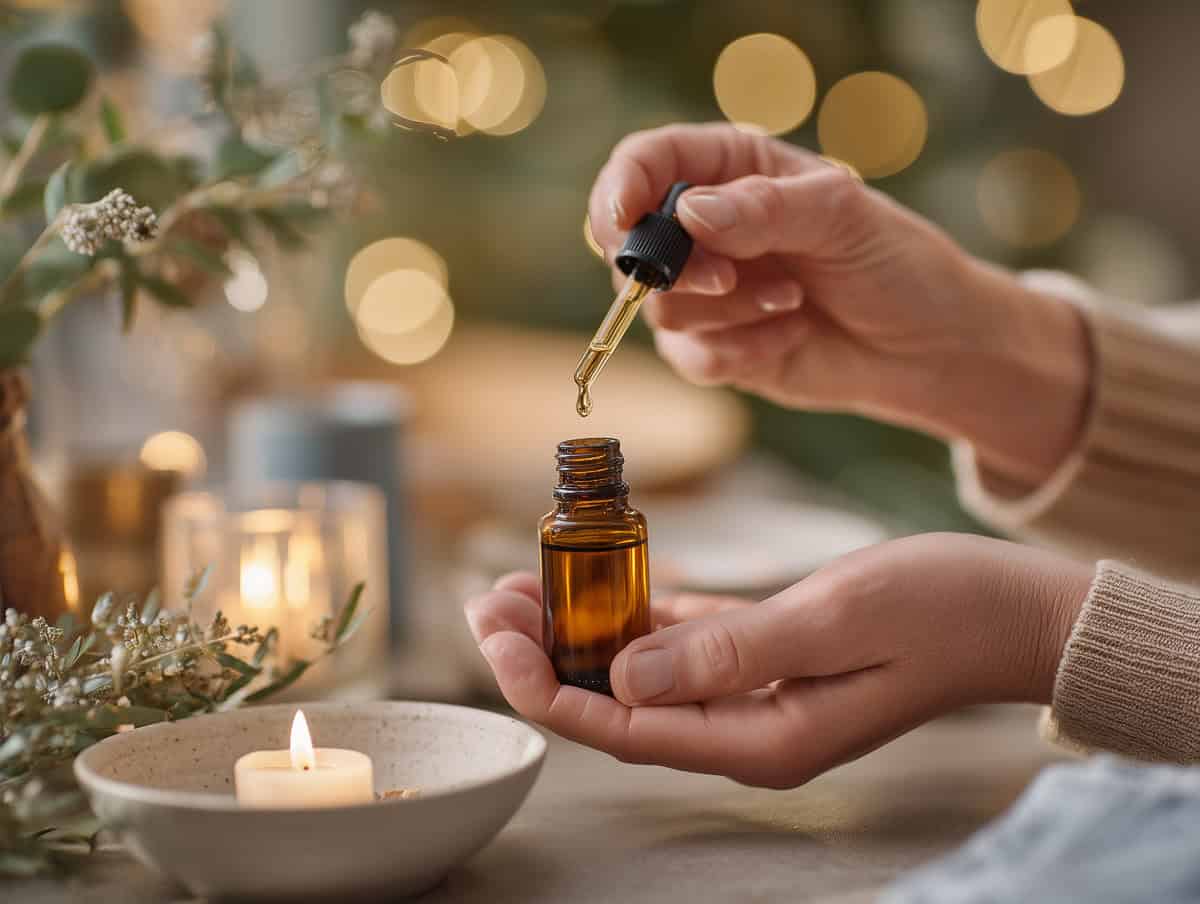
Another way to use baobab is through baobab oil, which is made by pressing the seeds of the baobab fruit. This oil is known for its medicinal properties and is a favorite in clean beauty products.
It’s full of antioxidants and omega fatty acids that can help soften fine lines and improve overall skin health. I like using it as a face oil before bed or dabbing a little under my eyes in the morning.
Baobab oil absorbs easily and doesn’t leave your skin feeling greasy. Some people also use it to soothe dry patches or hydrate cuticles.

|

|
|
Primary Rating:
3.5
|
Primary Rating:
3.5
|
|
$14.99
|
$18.99
|
Kale vs. Baobab – Which One Is Better?
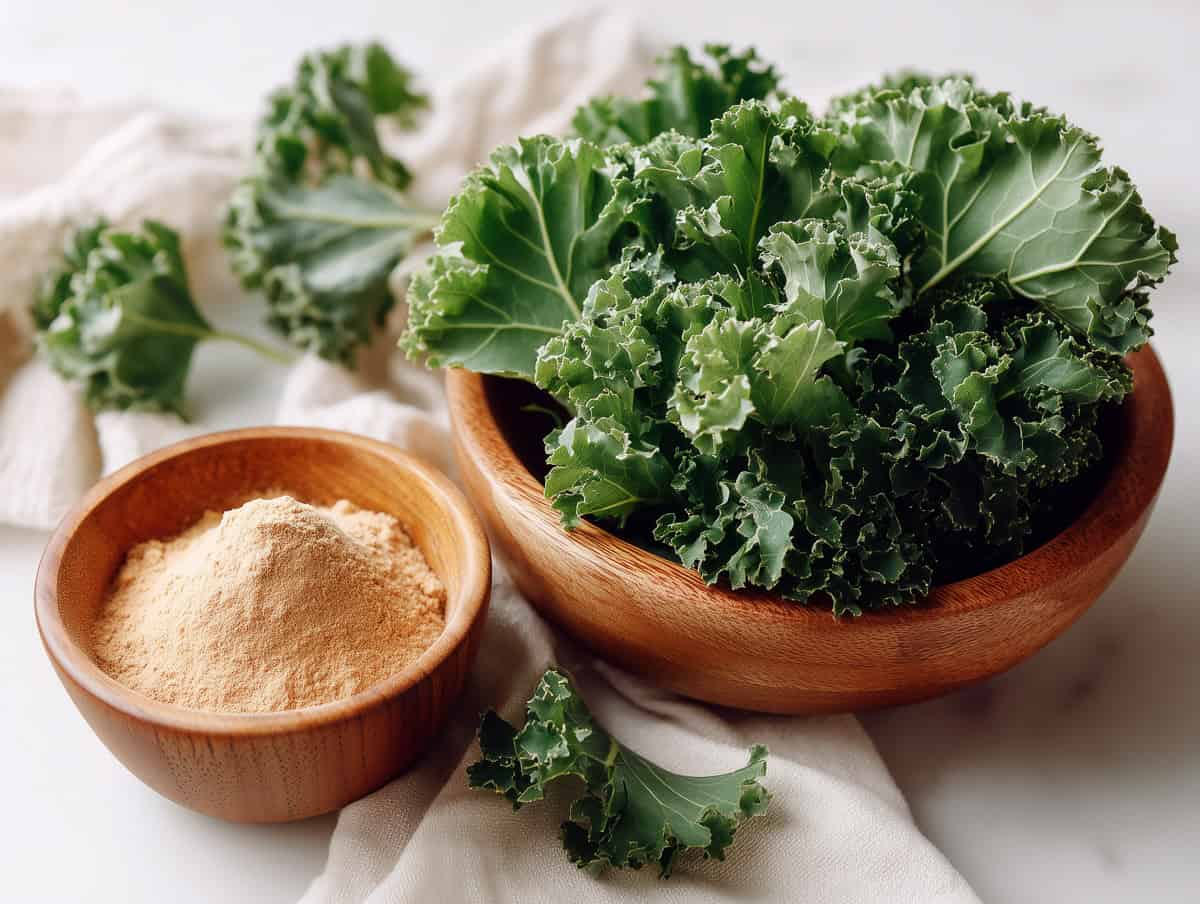
Kale vs. Baobab: Nutritional Value and Benefits Compared
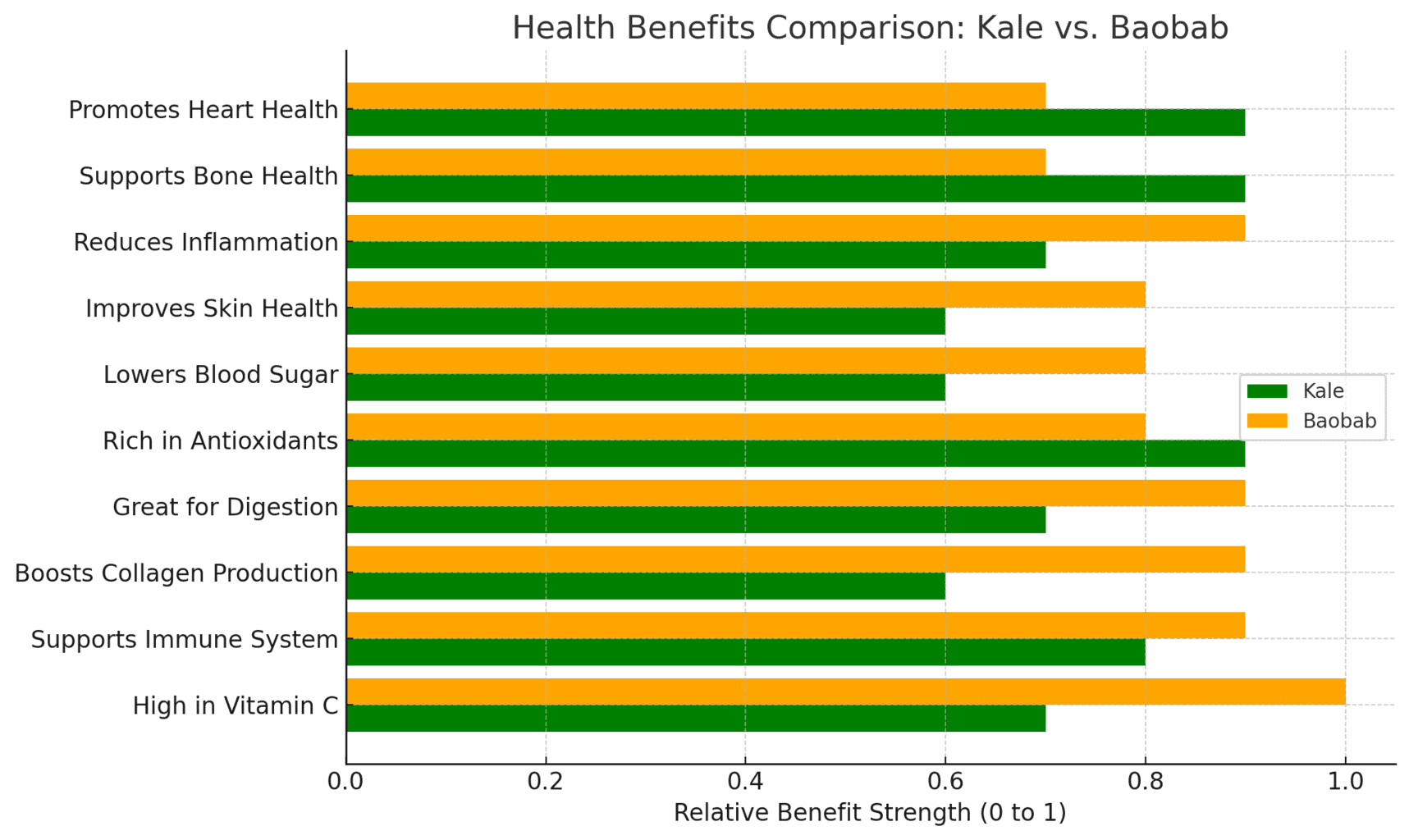
Both kale and baobab are considered superfoods, and for good reason. They're full of essential nutrients that support your health in different ways. But if you're wondering which one offers more of what your body needs, here’s how they compare.
Vitamin C and Antioxidants
When it comes to vitamin C, baobab wins by a lot. It has up to five times more vitamin C than oranges and much more than kale per serving (Healthline – Baobab Nutrition and Benefits). That means baobab may be better if your goal is to support a healthy immune system, help with collagen production, or keep your skin looking and feeling strong.
Kale still offers a good amount of vitamin C, but it’s also rich in vitamin A, vitamin K, and calcium, which makes it a strong choice for bone health and heart function. Both are high in antioxidants, but they contain different types. Baobab is rich in polyphenols that help reduce oxidative stress, while kale has antioxidants like beta carotene, lutein, and zeaxanthin that support eye health and help protect cells from damage (Harvard T.H. Chan School of Public Health – Kale).
Fiber, Digestion, and Heart Health

Baobab has a higher fiber content per gram than kale, and most of that fiber is prebiotic, which helps support a healthy gut. It feeds the good bacteria in your digestive system and can help improve digestion and regularity (BBC Good Food – Health Benefits of Baobab).
Kale also contains dietary fiber, but it’s more well known for its effect on low-density lipoprotein (LDL) cholesterol. The fiber in kale helps your body bind to bile acids, which may help lower cholesterol and support heart health over time (WebMD – Kale Health Benefits).
Essential Nutrients and Unique Benefits
Kale is rich in calcium, iron, vitamin K, and amino acids—especially important for maintaining strong bones and blood clotting. It’s also a good source of fatty acids like alpha-linolenic acid, a type of omega-3 that helps fight inflammation.
Baobab offers different nutrients like magnesium, potassium, and more vitamin C. It doesn’t have as much protein, but its mix of bioactive compounds and antioxidants make it a great food to help protect your body from chronic inflammation and cell damage.
In short, both kale and baobab have excellent nutritional value. If you want to focus on bone health, eye health, or cholesterol, kale is a smart pick. If you're looking for a boost in vitamin C, gut health, or antioxidants, baobab might be the better choice.
They each bring different strengths to the table, which is why using both can be a great way to round out your diet.
Who Should Choose Kale or Baobab? How to Know What’s Best for Your Health Goals
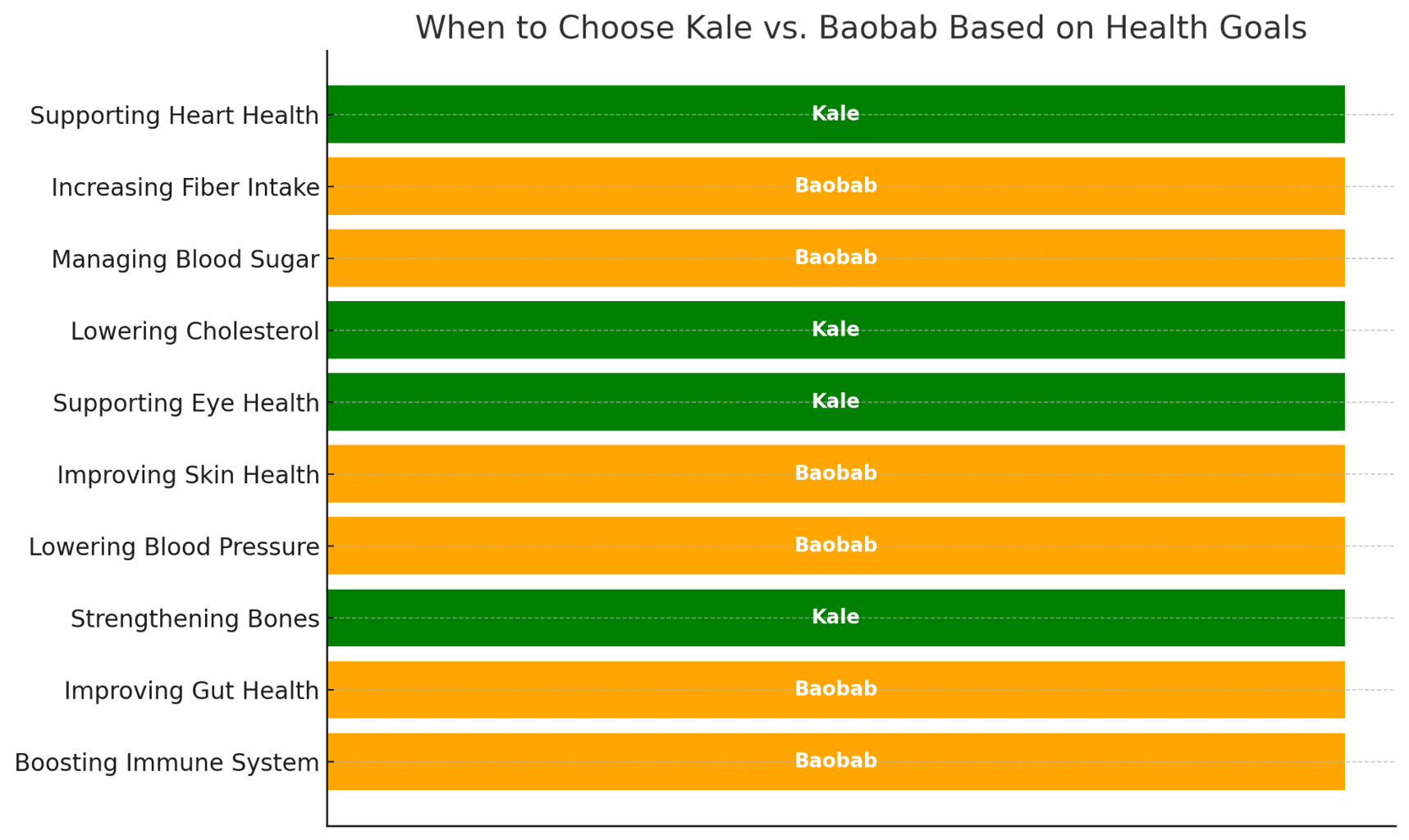
Both kale and baobab are loaded with nutrients, but depending on your health goals, one might be a better fit than the other. Here’s a breakdown to help you decide.
When Kale Might Be the Better Choice
If you’re focused on heart health, bone health, or reaching a healthy weight, kale is a smart option. It’s low in calories and high in nutrients like vitamin K, calcium, and fiber. These support strong bones and help manage cholesterol, which can lower the risk of heart disease.
Because kale is high in vitamin K, it plays a role in blood clotting. But that can also be an issue for anyone taking blood thinners. If you're on medications like warfarin, you should talk to your doctor before increasing your kale intake. Too much vitamin K can interfere with how blood thinners work (Harvard Health).
When Baobab Might Be the Better Choice
Baobab may be a better match for people looking to boost their immune system, improve gut health, or support healthy skin. Its high levels of vitamin C help with collagen production, which is important for skin and joint health. It also contains prebiotic fiber, which supports digestion and may improve regularity (Healthline).
Because baobab is so nutrient-dense, it’s a good idea to start small and see how your body reacts. It’s generally safe, but just like any new food, too much too fast could cause digestive side effects, especially if you’re not used to a lot of fiber.
A Note for Pregnant Women and People With Health Concerns
If you’re pregnant or have ongoing health problems, it’s always smart to check with your doctor before adding something new. This goes for both kale and baobab. Even though they’re natural, they still affect your body, and getting medical advice is never a bad idea.
These two superfoods can work well together, but the right one for you depends on your body and what you’re trying to improve. Keep your personal needs in mind, and remember there’s no one-size-fits-all solution when it comes to health.
Why You Don’t Have to Choose Between Kale and Baobab
The good news? You don’t have to pick one or the other. Both kale and baobab are packed with benefits, and they can easily fit into your healthy lifestyle. Adding both to your routine gives your body a wide mix of nutrients that work together to support your health.
Each One Plays an Important Role
Kale is rich in vitamins and minerals that support heart health, strong bones, and a healthy immune system. Baobab brings a big boost of vitamin C, prebiotic fiber, and antioxidants that help with digestion, immunity, and skin health. Together, they help lower the risk of chronic diseases by fighting inflammation and supporting your body’s natural defenses.
Both are whole foods, which means they offer nutrients in their natural form—not isolated or processed. That’s one of the best ways to get long-term health benefits without relying on pills or powders full of additives.
Easy Ways to Combine Kale and Baobab
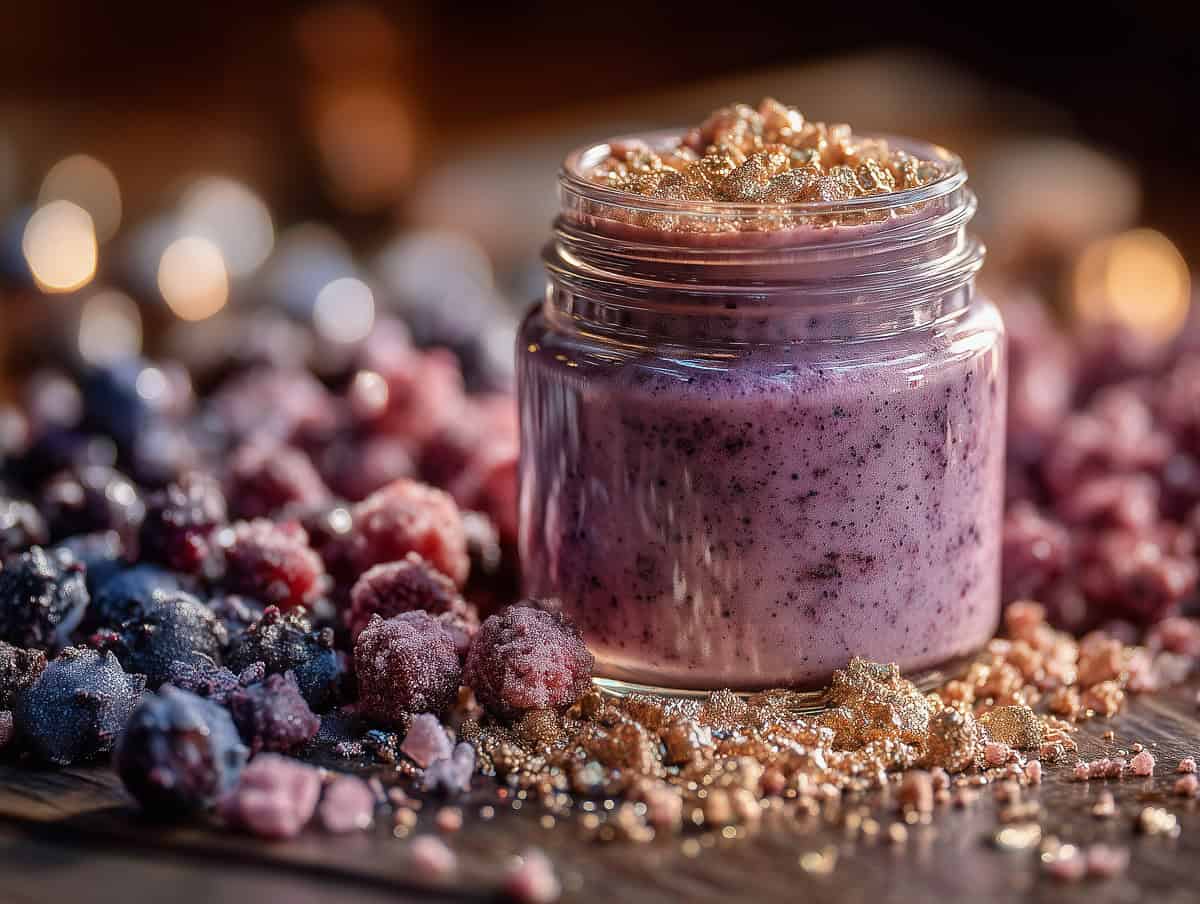
You can find kale at most grocery stores, either fresh, bagged, or even frozen. Baobab powder is usually in the health food section or online. It lasts a long time, so even a small bag goes a long way.
Try blending a handful of kale with frozen fruit, water, and a spoonful of baobab powder for a quick smoothie. Or toss massaged kale into a salad and sprinkle some baobab on top for a citrusy boost. You can even stir both into soups, bowls, or energy bites.
Including both gives your meals more flavor, texture, and color—and your body more of what it needs. It’s a great addition to your weekly meal prep, and a good reason to try something new.
The best way to stay healthy is to eat a variety of real foods. Kale and baobab are two simple, powerful choices that work even better together.
Conclusion: Your Personalized Superfood Choice
Kale and baobab each bring something special to the table. Kale is rich in vitamins, minerals, and dietary fiber. It supports heart health, strong bones, and can help with maintaining a healthy weight. Baobab offers more vitamin C, boosts immunity, supports digestion, and gives your skin a healthy glow. It’s also an easy way to add more high-fiber food to your day.
As with anything in life, your best option depends on your own needs. If you’re focused on stronger bones or better heart health, kale might be a great fit. If your goals are better digestion, more energy, or healthier skin, baobab could be what you need.
You don’t have to overhaul your whole routine. Start small. Try a cup of raw kale in a salad or smoothie. Add a spoonful of baobab powder to your yogurt or oatmeal. Or swap out potato chips for crispy kale chips during your next snack break.
These are easy ways to build a more healthy lifestyle without a lot of stress. Whether you go with one or both, the goal is to eat real foods that support your body and fit your life.
This post is here to give you general information and ideas to help you make better choices. When you understand the kale benefits and baobab benefits, it’s easier to build a healthy diet that works for you and your family.