
I began taking compounded semaglutide last year and managed to lose over 20 pounds. It has been an amazing tool to help me get healthy, but I had to learn a few tricks to deal with some of the side effects. What I found is that eating the right foods made all the difference. By changing my diet, I was able to minimize the discomfort and keep losing weight at a healthy pace.

If you’re taking Wegovy, Ozempic, or compounded semaglutide, you might be wondering what foods are best to eat to maximize your results and reduce side effects. This post is all about the best foods to eat while taking semaglutide. It’s going to walk you through everything you need to know to make the most out of your weight loss journey—what foods can help you feel your best, keep those side effects in check, and support your health as you reach your goals.
Semaglutide is a weight loss drug that works as a GLP-1 receptor agonist to help regulate blood sugar and control appetite. A tailored diet can make a big difference in maximizing the benefits of this medication while minimizing any uncomfortable side effects. Let’s get started with how you can make it work best for you!
How Semaglutide Works: Understanding Its Effects
Semaglutide is a GLP-1 medication that helps with weight loss by controlling blood sugar and reducing appetite. It works by mimicking a hormone called glucagon-like peptide-1 (GLP-1) that your body naturally makes. This hormone helps with insulin secretion and slows down how quickly food leaves your stomach. By doing this, semaglutide helps keep your blood sugar levels stable and reduces cravings.
Taking semaglutide also affects how your digestive system works. It slows digestion, which can help you feel full longer and eat less. This is great for weight loss, but it can sometimes cause side effects like nausea, stomach pain, or constipation. The good news is that making smart food choices can help with these potential side effects.
Choosing foods that are easy on your digestive system is key. High-fiber foods like non-starchy vegetables and whole grains can help keep things moving and prevent constipation. Lean proteins, such as chicken or fish, are also easier to digest and help maintain muscle while losing weight. Drinking plenty of fluids can make a big difference too, especially when it comes to managing any digestive discomfort.
If you’re experiencing side effects, try eating smaller portions throughout the day. This can help your body digest food more easily and reduce nausea. It’s also important to avoid fatty foods and sugary drinks, as these can make side effects worse and cause blood sugar spikes. Instead, focus on a balanced diet with whole foods that support your overall health while taking semaglutide.
Essential Dietary Components for Semaglutide Users
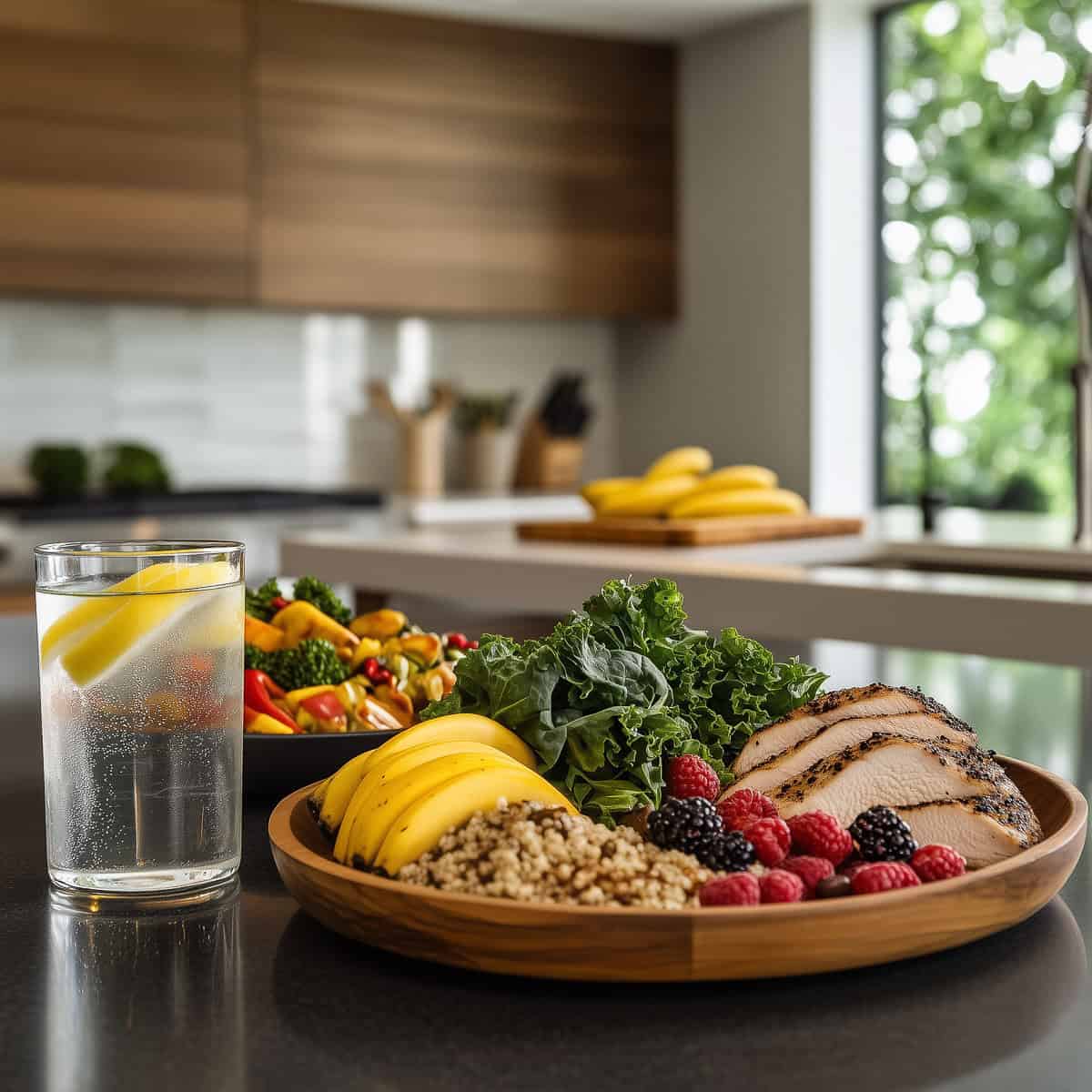
When taking semaglutide, it’s important to eat a healthy diet that supports weight loss. While there’s no set diet, maintaining a balanced, calorie-deficit meal plan can help you get the best results. Semaglutide helps control appetite and reduce cravings, but creating healthy eating habits now will make it easier to keep the weight off later.
Proteins: The Importance of Lean Protein
Eating lean protein is key when you’re on semaglutide. Lean proteins like skinless chicken breast, lean meats, and white fish help maintain muscle while losing weight. When you lose weight, you can also lose muscle mass, which affects your metabolism. Preserving muscle is important to keep your metabolism working well. Studies suggest that you should aim to eat 0.8 to 1.6 gram of protein for each pound of your ideal body weight. This will help keep you full and maintain your energy.
Healthy Lean Proteins to Boost Your Semaglutide Journey!
Healthy Lean Proteins (Animal-Based)
- Chicken Breast 🐔 (Skinless, boneless)
- Turkey Breast 🦃
- White Fish 🐟 (Cod, Tilapia, Haddock)
- Salmon 🐠 (Rich in Omega-3s)
- Tuna 🐟 (Fresh or Canned in Water)
- Egg Whites 🍳
- Seafood 🦐 (Shrimp, Scallops, Crab)
- Lean Beef 🐄 (Sirloin, Round Cuts, or 95% Lean Ground Beef)
- Pork Tenderloin 🥩
High-Protein Vegetarian Options
- Tofu 🍃 (Firm or Extra-Firm)
- Tempeh 🍂
- Edamame 🌱 (Cooked or Roasted)
- Lentils 🌾 (Brown, Green, or Red)
- Chickpeas 🍲 (Canned or Cooked)
- Greek Yogurt 🥛 (Unsweetened, Low-Fat)
- Cottage Cheese 🧀 (Low-Fat)
- Quinoa 🌾 (Complete Protein)
- Chia Seeds 🌿 (Perfect for Smoothies)
- Seitan 🌱 (Wheat Gluten, High Protein)
Whole Grains and Complex Carbs
Whole grains and complex carbs are also essential. Foods like brown rice and whole wheat pasta help keep your energy steady throughout the day. They are also less likely to cause blood sugar spikes, which is important for keeping your blood sugar levels stable. Whole grains are packed with essential nutrients that support your overall health and weight loss journey.
Whole Grains
- Quinoa 🌾 (Complete protein, great for meals)
- Brown Rice 🍚 (High in fiber, low glycemic)
- Whole Wheat Bread 🍞 (Look for “whole” as the first ingredient)
- Oats 🥣 (Steel-cut or rolled, ideal for breakfast)
- Barley 🌾 (Rich in fiber, helps digestion)
- Farro 🌱 (Nutty flavor, perfect for salads)
- Bulgur 🥣 (Quick to cook and packed with fiber)
- Millet 🌾 (Mild flavor, good for a variety of dishes)
Healthy Complex Carbs
- Sweet Potatoes 🍠 (Packed with vitamins, slow-release energy)
- Lentils 🌿 (High in protein and fiber, keeps you full)
- Chickpeas 🥙 (Can be roasted or added to meals for extra fiber)
- Butternut Squash 🎃 (Great roasted, adds natural sweetness)
- Whole Wheat Pasta 🍝 (High in fiber, a better choice than refined pasta)
- Wild Rice 🌾 (Technically a grass, rich in antioxidants)
Fiber: A Key for Digestive Health
Fiber plays a huge role in keeping your digestive system happy. High-fiber foods like non-starchy vegetables and brussels sprouts can help prevent digestive discomfort, like stomach pain and hard stools. Fiber also keeps you full longer, which helps control your calorie intake. There are two types of fiber: soluble and insoluble. Both are important for your health. Soluble fiber, found in foods like oats and beans, helps keep blood sugar in check. Insoluble fiber, found in vegetables and whole grains, helps keep your digestive system regular. Prebiotic fiber also supports a healthy gut by feeding good bacteria in your intestines.
High-Fiber Foods for Digestive Health
Vegetables & Legumes
- Broccoli 🥦 (Rich in fiber and supports gut health)
- Brussels Sprouts 🌿 (Great roasted and full of fiber)
- Carrots 🥕 (Crunchy, easy snack for added fiber)
- Cauliflower 🥦 (Can be mashed or roasted)
- Chickpeas 🥙 (Versatile, great for salads or hummus)
- Lentils 🌱 (High fiber, also a good source of protein)
- Split Peas 🍲 (Perfect for soups, rich in fiber)
- Edamame 🌿 (A crunchy, high-fiber snack)
Grains & Fruits
- Quinoa 🌾 (Packed with fiber and protein, great for meals)
- Oats 🥣 (Steel-cut or rolled, great for digestion)
- Berries 🍓 (Strawberries, raspberries, blackberries—all high in fiber)
- Apples 🍏 (Especially with skin, great for snacking)
- Pears 🍐 (High in fiber, juicy, and sweet)
- Chia Seeds 🌱 (Add to smoothies, pudding, or yogurt)
- Flaxseeds 🌾 (Sprinkle on oatmeal or bake into breads)
- Avocado 🥑 (Creamy, full of fiber, and healthy fats)
Healthy Fats
Healthy fats are important for feeling full and supporting your body’s health. Foods like avocados and salmon are great sources of healthy fats. These fats are good for your heart and can help keep you satisfied between meals. Just remember, even though they’re healthy, fats are high in calories, so keep portions in mind.
Healthy Fats
Plant-Based Healthy Fats
- Avocado 🥑 (Rich in healthy monounsaturated fats and fiber)
- Olive Oil 🫒 (Great for cooking or drizzling over salads)
- Nuts 🌰 (Almonds, walnuts, cashews—delicious snacks, high in fiber too)
- Chia Seeds 🌱 (Perfect for smoothies, puddings, or yogurt)
- Flaxseeds 🌾 (Add to oatmeal or bake into muffins)
- Nut Butters 🥜 (Peanut, almond, or cashew butter—just make sure it’s all-natural)
- Coconut Oil 🥥 (Versatile for cooking, adds a sweet flavor)
- Pumpkin Seeds 🎃 (Great for snacking, high in healthy fats and fiber)
Section 2: Animal-Based Healthy Fats
- Salmon 🐟 (Rich in omega-3s, great for heart health)
- Sardines 🐠 (Packed with omega-3 fatty acids and calcium)
- Mackerel 🐟 (Another great source of omega-3s)
- Eggs 🍳 (Egg yolks contain healthy fats and essential nutrients)
Hydration: Staying Hydrated on Semaglutide
Staying hydrated is crucial when taking semaglutide. Drinking plenty of fluids helps your digestive system function well and can help manage any side effects, like constipation. Aim to drink water regularly throughout the day, especially when you’re eating more fiber.
Using Food to Manage Common Side Effects of Wegovy (Semaglutide)

Taking semaglutide, like Ozempic or Wegovy, can come with some side effects. But the good news is that adjusting your diet can help manage many of these issues. Here are some simple strategies to help you feel better while on semaglutide.
Nausea
Nausea is a common side effect of semaglutide. Eating bland foods like white bread, soups, or gelatin can help calm your stomach. Avoid greasy or sugary foods, as they often make nausea worse. Eating slowly and in smaller portions can also help. If you have an empty stomach, acids can build up and make nausea worse, so it’s important to eat small amounts regularly. Staying hydrated by drinking plenty of fluids is key, too. It also helps to go outdoors for some fresh air, and try not to lie down right after eating.
Constipation
Semaglutide can slow down your digestive system, leading to constipation. To help prevent this, eat high-fiber foods like non-starchy vegetables and whole grains. Small amounts of healthy fats, such as avocado, olive oil, or salmon, can also help get things moving. Staying hydrated is very important—drink plenty of fluids to help fiber do its job and keep your digestive system running smoothly.
Stomach Distress
Sometimes, semaglutide can cause stomach discomfort because it slows down how fast food leaves your stomach. Eating smaller portions can help. If you eat too much at once, the food may sit in your stomach longer, leading to discomfort. Smaller meals throughout the day can make digestion easier and reduce these symptoms.
Diarrhea
Diarrhea can also happen when taking semaglutide. To help avoid it, steer clear of high-fat foods like fried chicken or french fries. Eating lean proteins, high-fiber foods, and healthy options that support a balanced diet can help keep your digestive system steady.
Burping and Heartburn
Burping and heartburn can be uncomfortable side effects of semaglutide. To reduce these symptoms, avoid spicy foods that can irritate your stomach. Smaller, balanced meals are easier on your digestive system and can help prevent these issues.
Vomiting
Eating very high-fat meals can sometimes lead to vomiting when taking semaglutide. Try to avoid meals heavy in unhealthy fats, and focus instead on healthier, balanced options that include lean proteins and whole foods.
Foods to Include and Avoid
- Include: Lean proteins, high-fiber foods, and healthy options like brown rice, lean meats, and other whole-food diet choices. These support a balanced diet and regular physical activity.
- Avoid: Foods that can worsen side effects or reduce the effectiveness of semaglutide. This includes high-fat foods, sugary foods, and greasy foods like fried chicken.
By making these simple changes to your diet, you can help minimize the uncomfortable side effects of semaglutide and get the best results from your treatment.
Lifestyle Adjustments for Optimal Results with Semaglutide

Taking semaglutide can help with weight loss, but it works best when paired with healthy lifestyle changes. Simple adjustments to your daily routine can make a big difference in your weight loss journey.
Regular Exercise
Regular exercise is one of the best things you can do to get the most out of semaglutide. Physical activity helps you burn calories and maintain muscle mass. It also complements semaglutide’s effects by helping with insulin sensitivity and overall health. You don’t need to start with intense workouts. Walking, light jogging, or even doing household chores counts as physical activity. The key is to stay consistent and make movement a part of your daily routine.
Creating a Sustainable Meal Plan
A sustainable meal plan is crucial when taking semaglutide. This medication helps reduce cravings and keeps you full longer, but it’s up to you to make sure you’re eating balanced meals. Consulting with a healthcare provider or a registered dietitian can help you create a meal plan that works for you. A dietitian can ensure you’re getting enough essential nutrients while staying in a calorie deficit. They can also help you figure out the right portions to avoid overeating or feeling too restricted.
Making Lifestyle Changes for Long-Term Success
Semaglutide is a great tool for weight loss, but the real success comes from making lasting lifestyle changes. Focus on healthy eating habits, regular exercise, and consistent sleep patterns. These changes will help you maintain your weight loss even after you stop taking the medication. Remember, it’s not just about losing weight—it’s about feeling healthier and building habits that support long-term health.
Working closely with your healthcare provider can help you stay on track. They can provide guidance on exercise, nutrition, and adjusting your medication if needed. Small changes can lead to big results when done consistently. Keep making progress, one day at a time.
Conclusion
Maintaining a healthy diet and regular physical activity is essential when taking semaglutide. Eating balanced meals, staying hydrated, and being active can help you get the best results from the medication. It’s all about building healthy habits that support your weight loss journey and overall health.
Remember, following medical advice is crucial. If you experience any persistent or severe side effects, be sure to seek medical attention. Your healthcare professional is there to help guide you through this process and make any adjustments needed for your success. Take care of yourself and keep focusing on your health goals.