As a woman in my early 50s, I've tried countless skincare products and treatments over the years. But about a couple months ago, I decided to give red light therapy a shot. About a year ago, I bought a red light face mask and started using it regularly. Let me tell you, the results have been amazing - when I use it consistently, that is!
If you're curious about red light therapy and wondering if it could help with anti-aging, you're in the right place. I've done a ton of research on this topic, and I'm excited to share what I've learned with you.
In this post, we will dive into the benefits of red light therapy for your face. You'll learn about how it works, what it can do for your skin, and why it might be worth adding to your skincare routine. I'll also share some tips from my experience using a red light mask at home.
By the end of this article, you'll have a good understanding of red light therapy and whether it might be right for you. I've seen the effects firsthand and done my homework. My experience and research can help you decide to try red light therapy for yourself.
So, let's get started and shed some light on this exciting skincare treatment!
What is Red Light Therapy?

Red light therapy, also known as low-level light therapy or LED light therapy, is a skincare treatment that uses low-level red light wavelengths. It involves exposing the skin to red and near-infrared light using devices with light-emitting diodes (LEDs).
How Does It Work?
The science behind red light therapy is fascinating:
- Red light penetrates the skin at different depths
- Skin cells absorb this light energy
- It stimulates a molecule called adenosine triphosphate (ATP)
- This boost in energy helps skin cells function better and repair themselves faster
How Red Light Therapy Works to Rejuvenate Your Skin
Red light therapy works by penetrating your skin at different depths, using a light-emitting diode (LED) to stimulate natural healing. The red light reaches your skin cells and encourages energy production at a cellular level by increasing adenosine triphosphate (ATP). This extra boost of energy helps the cells repair and regenerate more efficiently, which is why red light therapy is excellent for skin rejuvenation.
Red light therapy has a lot of backing in science. A study entitled Dermatologic Lasers in the Treatment of Aging Skin discusses how lasers and light treatments, like red light therapy, can actually stimulate collagen production. Collagen is the secret sauce for keeping skin firm and youthful. The study found that red light helps remodel and strengthen the skin, making it smoother and reducing fine lines. It’s like a gentle workout for your skin cells!
How Red Light Stimulates Collagen

One of the main benefits of red light therapy is its ability to promote collagen production. Collagen is the protein responsible for your skin's elasticity and strength. As we age, collagen levels drop, leading to wrinkles and sagging. Red light therapy boosts collagen, helping to reduce fine lines and wrinkles.
A fascinating study, titled Low-level laser (light) therapy (LLLT) in skin: stimulating, healing, restoring, really broke down how red light therapy helps with collagen. It explained that when red light hits your skin, it kickstarts collagen production deep in your skin layers. More collagen means firmer, plumper skin with fewer wrinkles.
The study also pointed out that it’s great for reducing inflammation, which is why it works well for acne, too. So, you're not just improving skin texture, but also helping your skin heal faster.
Red Light Therapy Increases Blood Flow
The red light also improves blood flow in the treated areas. This increased blood circulation delivers more oxygen and nutrients to your skin, speeding up the healing process and giving you a more radiant appearance. Whether you're dealing with acne scars or sun damage, red light therapy works to restore your skin's health.
A study in The International Journal of Molecular Medicine, looked at how a specific wavelength of red light (633 nm) can really help with anti-aging. The researchers found that continuous exposure to this light increases collagen levels in the skin, helping to reduce wrinkles. It also slows down collagen breakdown, which is what usually causes those deeper wrinkles as we age. It’s like turning back the clock, but in a gentle, non-invasive way.
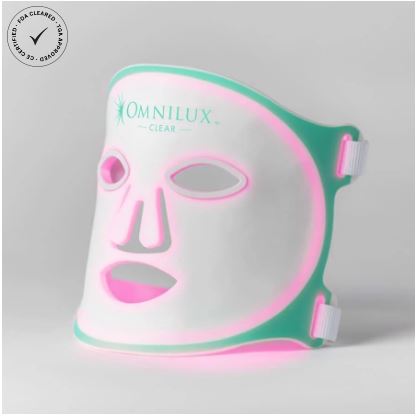
I purchased and use the Onmilux red light mask because it has the recommended light wavelength and I am really loving it.
Supporting the Healing Process
Studies have shown that red light therapy can speed up the healing process. It helps your skin repair itself faster, which can be great for reducing scars or healing after treatments.
There’s a really interesting article from The Journal of Clinical and Aesthetic Dermatology that dives into how red light therapy not only boosts collagen but also helps improve overall skin health. It highlighted that red light works wonders on acne scars and even helps repair sun damage. It’s like giving your skin a little extra love by increasing blood flow and speeding up healing, which leaves you with that radiant glow. You can take a look at the study here.
Heals and Prevents Acne
Red and blue light therapy are both popular acne treatments, but they work in different ways. Each type of light targets acne at a different stage, making them effective for various skin issues.
How Red Light Therapy Helps with Acne
Red light therapy reduces inflammation deep within the skin and promotes healing. It penetrates the skin at deeper levels, stimulating collagen production and boosting blood flow. This helps reduce the appearance of acne scars and encourages the healing process. Since red light therapy targets skin cells at a cellular level, it also improves skin texture and reduces redness associated with acne.
- Benefits: Reduces inflammation, promotes healing, improves skin texture, fades acne scars, and helps prevent future breakouts.
- Best for: Acne scars, inflammation, and overall skin health.
How Blue Light Therapy Targets Acne-Causing Bacteria
Blue light therapy, on the other hand, targets the surface level of the skin and is most effective at killing the acne-causing bacteria known as Propionibacterium acnes. This bacteria is often responsible for causing breakouts and inflammation. Blue light helps prevent new acne from forming by reducing the bacteria on your skin.
- Benefits: Kills acne-causing bacteria, reduces active breakouts, and prevents new pimples from forming.
- Best for: Active acne, blackheads, and preventing breakouts.
Combining Red and Blue Light Therapy
Many people find that combining red and blue light therapies provides the best results for treating acne. Blue light targets the root cause of acne by killing bacteria, while red light reduces inflammation and speeds up healing, especially in reducing acne scars. Some devices offer red and blue light therapy for more comprehensive skin care.
By understanding the strengths of each therapy, you can choose the one that best fits your skin's needs or use them together for even better results. Both options are available in at-home devices and can be performed at a dermatologist's office.
I came across a study from Dermatologic Surgery that compared different acne treatments and found that red light therapy is particularly effective for reducing inflammation and acne scars. What’s interesting about this study is that they showed how red light can go deeper into the skin, which really targets the underlying causes of acne. Plus, it also helps prevent future breakouts by promoting faster skin healing. That’s why red light therapy is a great complement to blue light if you’re battling stubborn acne scars. You can read the full study here.
This finding was also supported by a study in The Journal of Clinical Dermatology that explored how red light works to reduce inflammation and acne. It found that red light stimulates collagen, which not only helps with aging skin but also reduces acne scars. The best part is that they also mentioned how combining red and blue light gives you the best of both worlds – killing acne-causing bacteria and reducing the inflammation that leads to scarring. Check out the study here.
Omnilux makes a mask with both red and blue light called the Clear Mask. I do not use this mask but the site shows photos with great results. I personally have very problematic skin and I have noticed a significant improvement with my breakouts when I regularly use my red light mask.
Near-Infrared Light Benefits
Many red light therapy devices also include near-infrared light. This type of light penetrates even deeper into your skin. It can reach muscles and joints, potentially offering benefits beyond skin health.
While more research is still being done, many studies support the effectiveness of red light therapy. It's a promising treatment for various skin concerns, from aging to acne.
LED light therapy devices, whether used at home or in a dermatologist's office, are designed to deliver these specific wavelengths of light. The therapy is safe, non-invasive, and can be used regularly to maintain your skin's health and appearance.
At-Home vs. In-Office Red Light Therapy: Which Is Right for You?
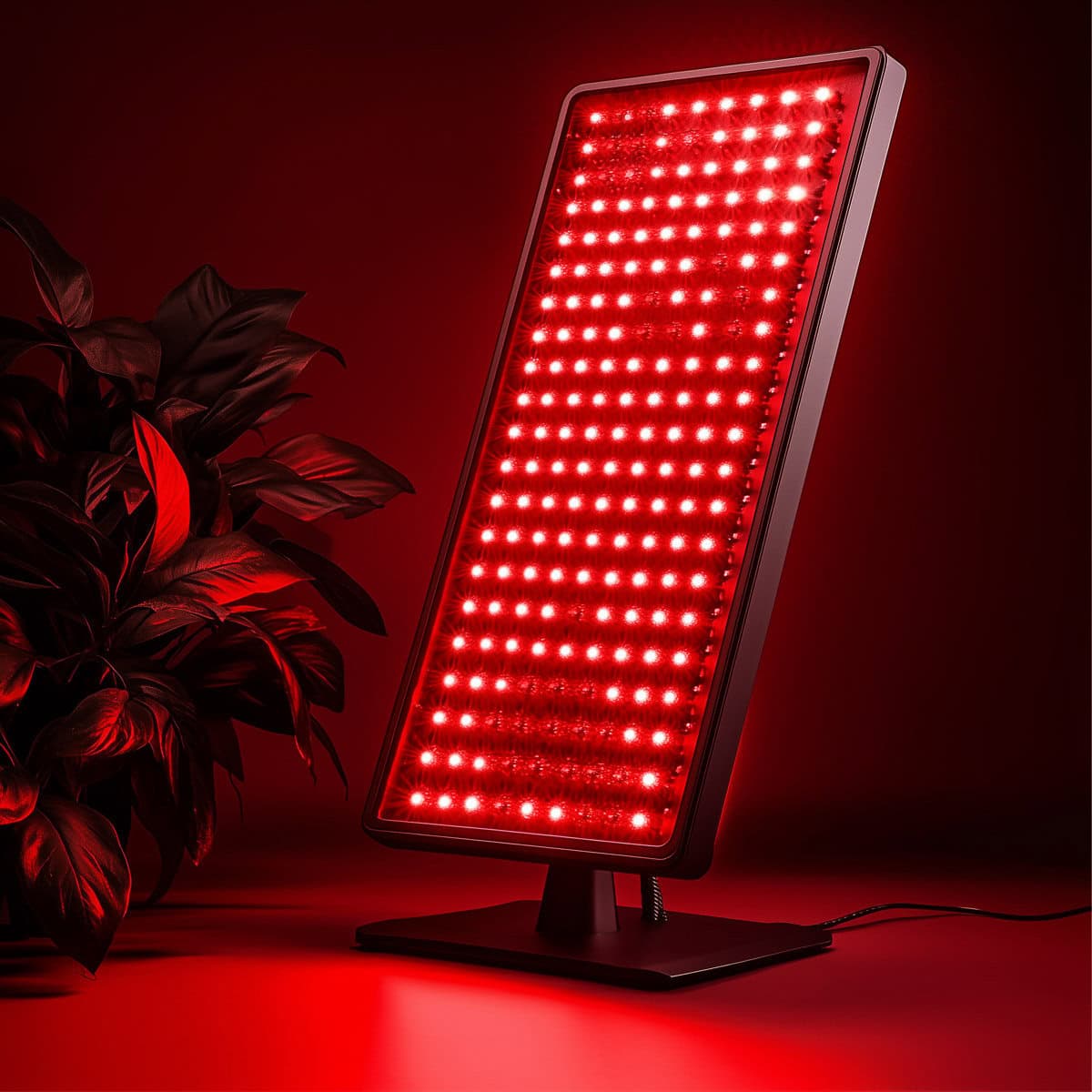
When it comes to red light therapy, you have two main options: at-home devices or in-office treatments. Let's compare these choices to help you decide what's best for your skin.
At-Home Red Light Therapy Devices
At-home devices are becoming more popular. These include handheld tools, face masks, and panels. Here are some pros and cons:
Pros:
- Convenient: Use anytime in the comfort of your home
- Cost-effective in the long run
- Regular use is easier to maintain
Cons:
- Lower intensity than professional devices
- Results may take longer to see
- Requires self-discipline to use regularly
In-Office Red Light Therapy Treatments
In-office treatments are done by professionals, usually at a dermatologist's office. Here's what you should know:
Pros:
- Higher intensity treatments
- Supervised by a board-certified dermatologist
- May see faster results
Cons:
- More expensive per session
- Requires travel to appointments
- Less frequent treatments
Which Option Is Best?
The best choice depends on your needs and lifestyle. If you're consistent and patient, at-home devices can be great. For faster or more intensive treatment, in-office sessions might be better.
I personally use an at-home device. It fits nicely into my routine, and I've seen good results over time.
Safety and Potential Risks
Whether you choose at-home or in-office treatment, safety is important. Here are some things to keep in mind:
- Follow instructions carefully to avoid skin irritation
- Red light therapy doesn't use UV light, so it doesn't increase skin cancer risk
- Clinical trials have shown red light therapy to be generally safe
- Some people may experience mild side effects like temporary redness
I found a review in Clinics in Dermatology that compared different light-based treatments for skin rejuvenation, including red light therapy. The authors found that red light not only helps with collagen production but also reduces the appearance of fine lines and acne scars over time. What’s nice is that the study mentioned how non-invasive and safe these treatments are, making them a great option for at-home use if you’re consistent with your sessions. You can read the review here.
Talk to a dermatologist before starting red light therapy if you have any skin conditions or concerns. They can help you choose the safest and most effective option for your skin.
Remember, consistency is key for the best results. Whether using an at-home device or getting in-office treatments, regular sessions will help you see the most benefits from red light therapy.
Potential Risks and Safety Considerations
Red light therapy is generally considered safe, but there are potential risks like any treatment. If misused, at-home devices can lead to skin irritation or damage, especially if the device is too strong or used too often. It's essential to follow the manufacturer's instructions and not overdo it, even though red light therapy is non-invasive.
Additionally, the long-term effects of red light therapy are still being studied. While clinical trials have shown it to be safe for short-term use, more research is needed to fully understand potential side effects, especially if combined with other skin treatments like UV light exposure. There's no known connection between red light therapy and skin cancer, but misusing a red light device could lead to burns or other skin issues.
Always consult a dermatologist before starting red light therapy, especially if you have sensitive skin or underlying medical conditions.
How to Incorporate Red Light Therapy Into Your Skincare Routine
Red light therapy can easily fit into your daily skincare routine and can offer significant benefits with consistent use. Regular treatments can make the difference if you reduce fine lines, improve skin tone, or target specific concerns like acne scars.
Regular Use for Optimal Benefits
It's important to use red light therapy regularly to see the best results. Most experts recommend starting with three to five weekly sessions, especially when you first begin. Over time, you can adjust this frequency based on your skin's response. Consistency is key to getting the full range of red light therapy benefits, like improved collagen production and smoother skin.
For me, I find it easiest to use my red light mask first thing in the morning. I tend to hit the snooze button, so I keep my mask right by my bed. When the alarm goes off, I put the mask on, hit snooze again, and use that extra time for a quick skincare boost. This way, I'm being productive during those extra minutes in bed.
If you already use other skincare products or treatments, red light therapy can complement them well. For example, you can combine it with treatments like a chemical peel or retinol-based products, though you should consult a dermatologist to ensure the combination works for your skin type.
Different Devices and Technologies
When it comes to at-home red light therapy, there are a variety of devices to choose from. Face masks are a popular option because they cover a large surface area and are easy to use while relaxing. If you're looking for something more targeted, handheld devices are also available. These allow you to focus on specific areas of your face, like fine lines around your eyes or acne spots.
Choosing a device that fits your needs and skin goals is essential. Some red-light devices also offer different colors of light, such as green light, which can target pigmentation issues, or blue light, which helps with acne. Make sure the light source and wavelength are appropriate for the results you're looking for.
For best results, look for a device cleared by the FDA. This ensures it's safe to use and delivers the right amount of light for effective skin treatment.
Finding the proper routine and the best device for you can make red light therapy an easy and effective part of your skincare.
Potential Side Effects and Precautions for Red Light Therapy
Red light therapy is generally safe for most skin types, but there are potential side effects and precautions to consider. While it's a non-invasive treatment, it's important to understand how it may affect different skin conditions and complexions.
Known Side Effects of Red Light Therapy
For most users, when used properly, red light therapy causes little to no side effects. However, some may experience mild redness, irritation, or sensitivity, especially if the treatment is used for too long or at high intensities. Following the manufacturer's instructions and gradually introducing red light therapy into your skincare routine is essential to avoid overuse.
Although red light therapy doesn't use UV rays, monitoring how your skin reacts is important, particularly if you have a sensitive skin type. If you notice any prolonged irritation or skin sensitivity, you should pause the treatment and consult a dermatologist.
Concerns for People with Rosacea, Melasma, and Darker Skin Tones
While red light therapy can benefit many skin types, individuals with rosacea, melasma, or darker skin tones may need to approach it with extra caution.
- Rosacea: People with rosacea might experience increased redness or irritation from red light therapy. The treatment boosts blood circulation, which can sometimes exacerbate rosacea symptoms. However, some individuals with rosacea have reported improvements, mainly when used under professional guidance(Cleveland Clinic) (Verywell Health).
- Melasma: Red light therapy has not been shown to directly worsen melasma, but melasma is sensitive to light and heat, which may trigger pigmentation changes in some individuals. If you have melasma, consult a dermatologist before starting red light therapy (Cleveland Clinic).
- Darker Skin Tones: People with darker complexions might be at a slightly higher risk for post-inflammatory hyperpigmentation (PIH) when using light-based treatments. While there isn't direct evidence linking red light therapy to PIH, it's essential to monitor your skin closely and use the treatment cautiously (Verywell Health).
- For individuals with these concerns, starting with lower-intensity treatments and seeking guidance from a board-certified dermatologist is highly recommended.
Who Should Avoid Red Light Therapy?
People with light-sensitive conditions, such as lupus or porphyria, should avoid red light therapy, as it may worsen their symptoms. Additionally, those using photosensitive medications or undergoing light-sensitive treatments should consult their healthcare provider. Pregnant women should also talk to their doctor before using red light therapy, as there is limited research on its safety during pregnancy.
By being aware of potential side effects and precautions, you can safely enjoy the benefits of red light therapy while minimizing risks to your skin's health. Always consult a dermatologist, especially if you have sensitive skin or an underlying skin condition.
Red Light Therapy vs. Other Skin Treatments: Which is Right for You?
When it comes to improving skin health and addressing concerns like fine lines, wrinkles, and uneven skin tone, plenty of treatments are available. Red light therapy is just one option, but how does it compare to other popular skin treatments?
Comparing Red Light Therapy to Other Skin Treatments
Red light therapy is a non-invasive treatment that works at a cellular level to boost collagen production, reduce inflammation, and promote skin healing. It's gentle enough for regular use and suitable for a wide range of skin types. Unlike more aggressive options, such as chemical peels or microneedling, red light therapy doesn't require downtime, making it a convenient choice for daily skincare.
Other skin treatments, like chemical peels, work by exfoliating the outer layer of the skin to reveal fresher, smoother skin underneath. While effective for improving texture and addressing pigmentation issues, peels can sometimes cause redness or irritation, particularly for sensitive skin types. Similarly, microneedling promotes collagen production by creating tiny punctures in the skin. It's effective but more invasive and often comes with a recovery period.
Laser treatments, another common option, use concentrated light energy to target skin concerns like wrinkles or hyperpigmentation. However, laser treatments can be expensive and may require multiple sessions, with a higher risk of side effects such as burns or pigmentation changes.
Why I Chose Red Light Therapy
Personally, I chose red light therapy because it fits seamlessly into my skincare routine. I wanted something non-invasive that I could use regularly without worrying about recovery time or harsh side effects. While I use red light therapy primarily for skin rejuvenation, I also pair it with a microcurrent device to enhance the overall effect. The combination has helped improve my skin tone, reduce the appearance of fine lines, and maintain a healthy glow.
Microcurrent treatments work by stimulating the facial muscles, toning and tightening the skin. I find that using red light therapy alongside microcurrent treatments has amplified the results without causing irritation. Both treatments are gentle, easy to use, and perfect for someone like me who prefers non-invasive skin solutions.
By comparing red light therapy to other skin treatments, it's easy to see why it's become so popular. Whether you're looking for a gentle option for daily use or a complement to your existing skincare routine, red light therapy offers flexibility and results without the drawbacks of more invasive treatments.
Recently, I made an effort to use my red light mask consistently for 30 days. I saw some great results just in 30 days. I am posting this image of my 30 day results - please don't judge these very unflattering photos I tried to take them in the exact same light and same expression. Mind you, I have very problematic skin that is acne prone and has redness and inflammation.
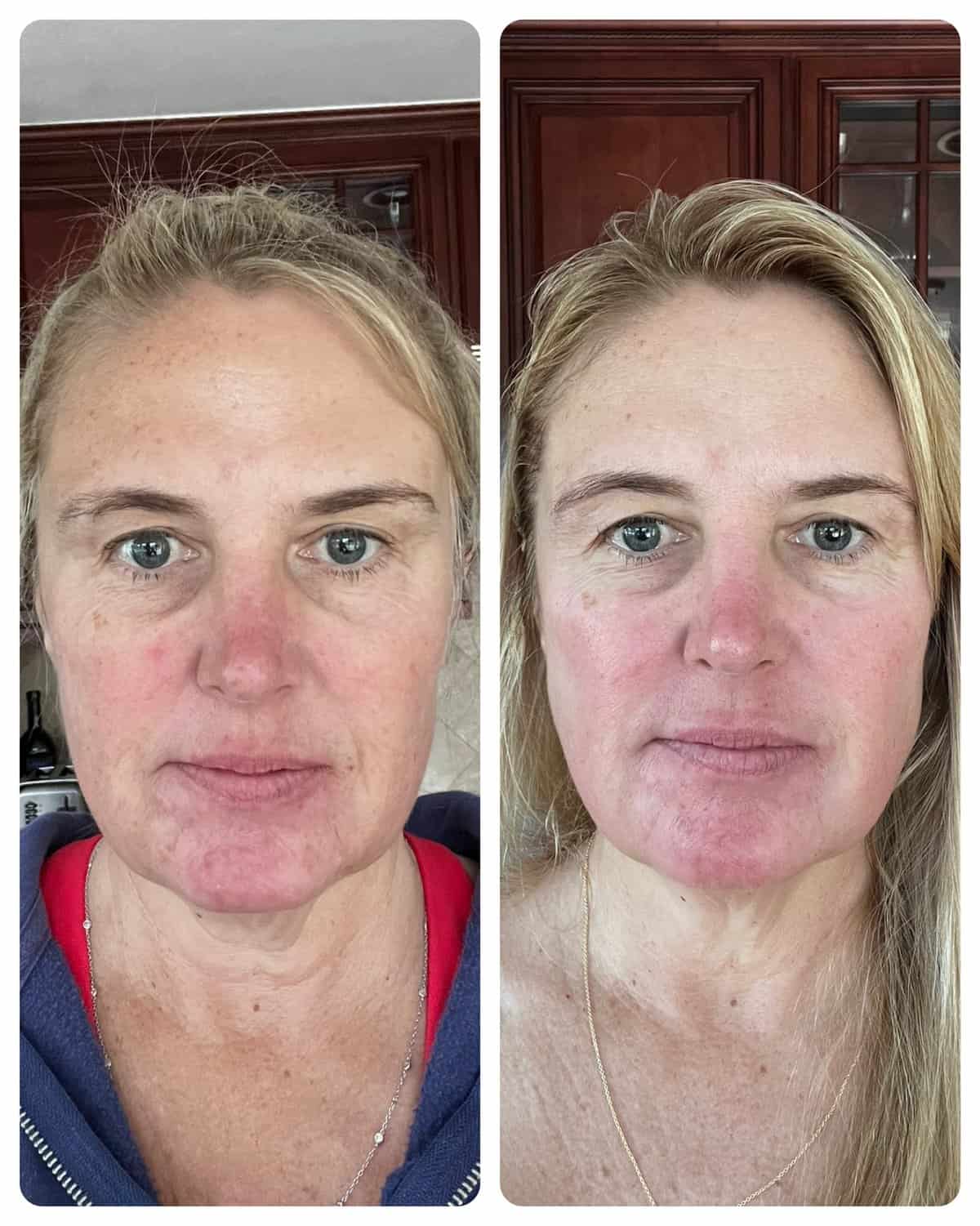
- What I noticed after 30 consistent days of use:
- Evenness in Skin Tone: particularly in the cheeks and nose areas, which suggests a reduction in inflammation or irritation.
- Smoother Skin Texture: This is particularly noticeable to me around the mouth and lower cheeks.
- Reduction in Fine Lines: There seems to be a subtle reduction in the appearance of fine lines around the eyes and mouth in the "after" image.
- Overall Brightness: The skin in the "after" image looks slightly more radiant and fresh, possibly indicating better skin hydration or improved blood circulation.
I am so pleased with these results that I am now committing to 12 consistent weeks of red light use and will update with results.
Beyond the Face – Additional Benefits of Red Light Therapy
While red light therapy is well-known for its skin benefits, it offers more than just facial rejuvenation. This treatment can also promote hair growth, improve joint health, and relieve pain, making it a versatile option for overall wellness.
Red Light Therapy for Hair Growth
If you're dealing with hair thinning or hair loss, red light therapy may help. Studies suggest that red light can stimulate the activity of hair follicles, encouraging new growth. This is particularly helpful for people with androgenic alopecia, a common form of hair loss in both men and women. By improving blood flow and stimulating hair follicles, red light therapy helps promote healthier, thicker hair over time.
Red Light Therapy for Joint Health and Pain Relief
Red light therapy has also been shown to reduce joint pain and inflammation, making it an excellent option for people dealing with chronic conditions like arthritis. This form of low-level laser therapy can penetrate deep into muscle and joint tissue, improving circulation and speeding up the body's natural healing process. For those experiencing joint stiffness or soreness, regular red light therapy sessions can provide significant relief.
In addition to improving joint health, red light therapy relieves pain from various conditions, including sports injuries, back pain, and more. It works by reducing inflammation and promoting cell repair, offering a non-invasive option for pain management.
With its wide range of uses beyond skincare, red light therapy is a powerful tool for addressing hair loss, supporting joint health, and relieving chronic pain. Whether you're using it to stimulate hair follicles or relieve sore muscles, red light therapy can be a valuable addition to your overall wellness routine.
Conclusion: My Final Thoughts on Red Light Therapy
Since I started using red light therapy, it's become a crucial part of my skincare routine. My skin feels smoother and brighter, and I've noticed fewer fine lines, especially when I use it consistently. It's a gentle, non-invasive treatment that fits easily into my day, and the best part is that I can use it from the comfort of my own home.
Red light therapy has not only improved the appearance of my skin but also helped me maintain a healthier complexion overall. If you're looking for a natural way to boost collagen, reduce wrinkles, and improve skin texture, I definitely recommend giving it a try. It's safe, effective, and easy to use, whether you're new to light therapy treatments or looking to add something extra to your skincare routine.
Whether you're targeting specific skin concerns or want to improve your skin's overall health, red light therapy offers a great solution without the downtime or risks of more invasive treatments.